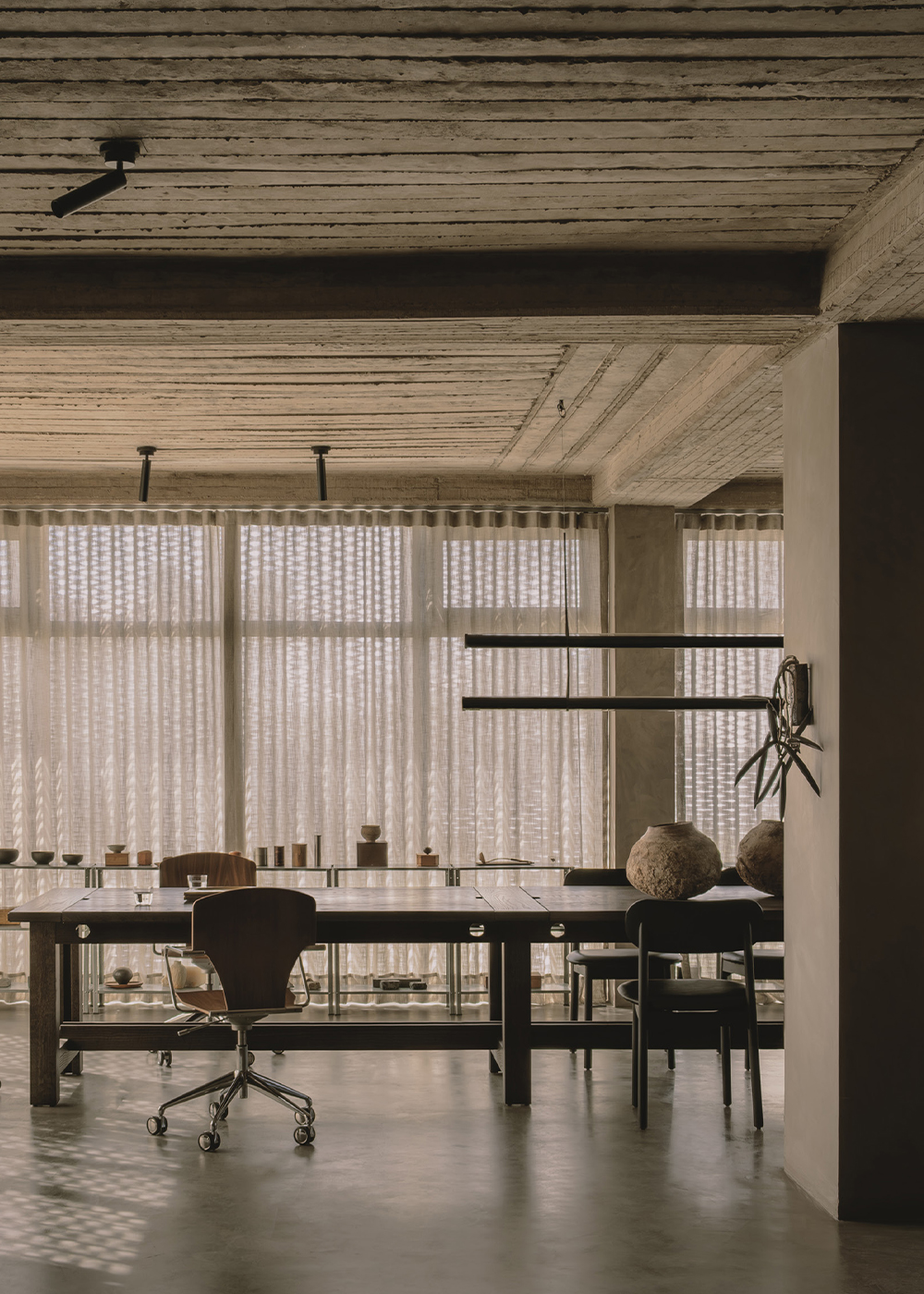
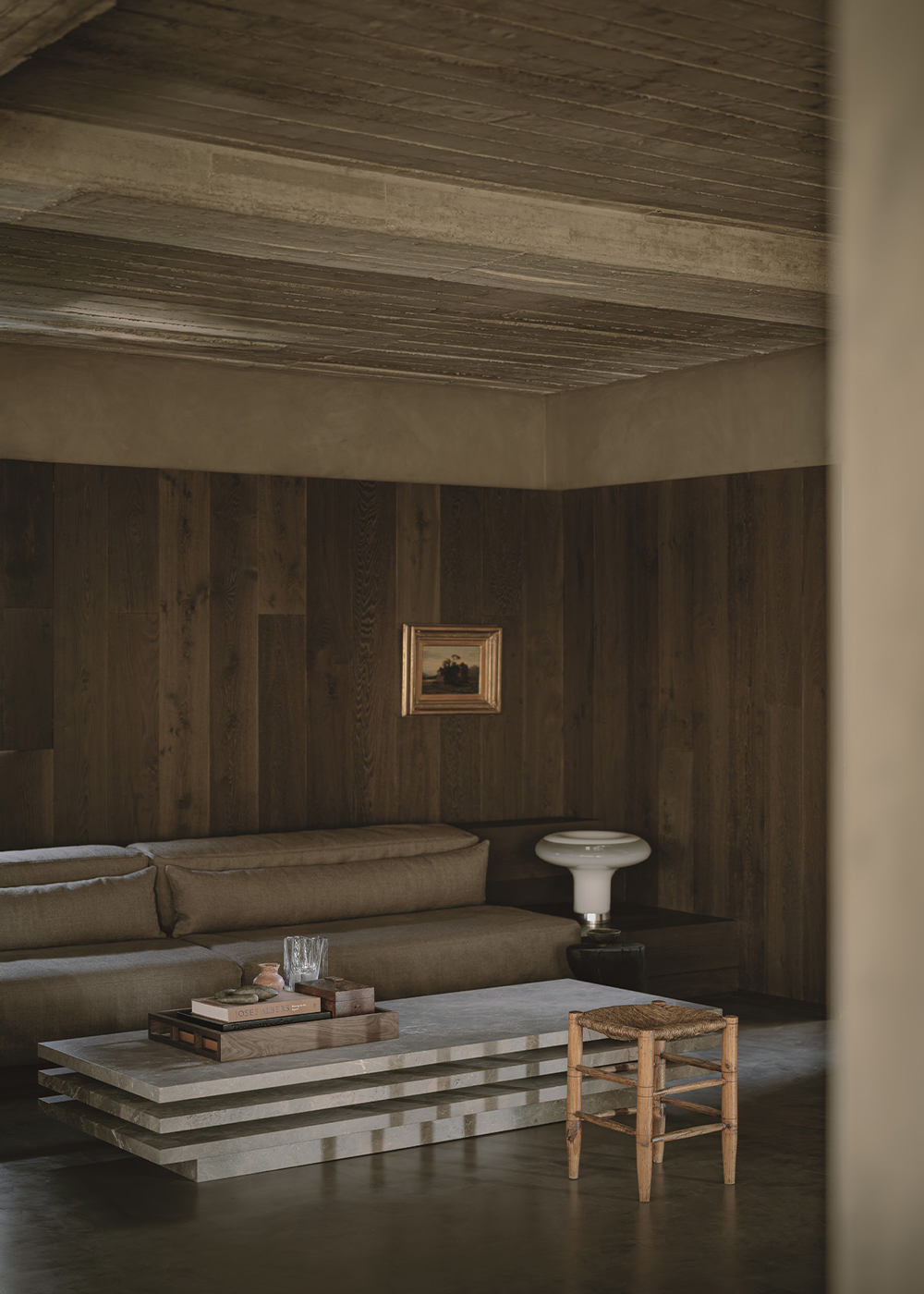
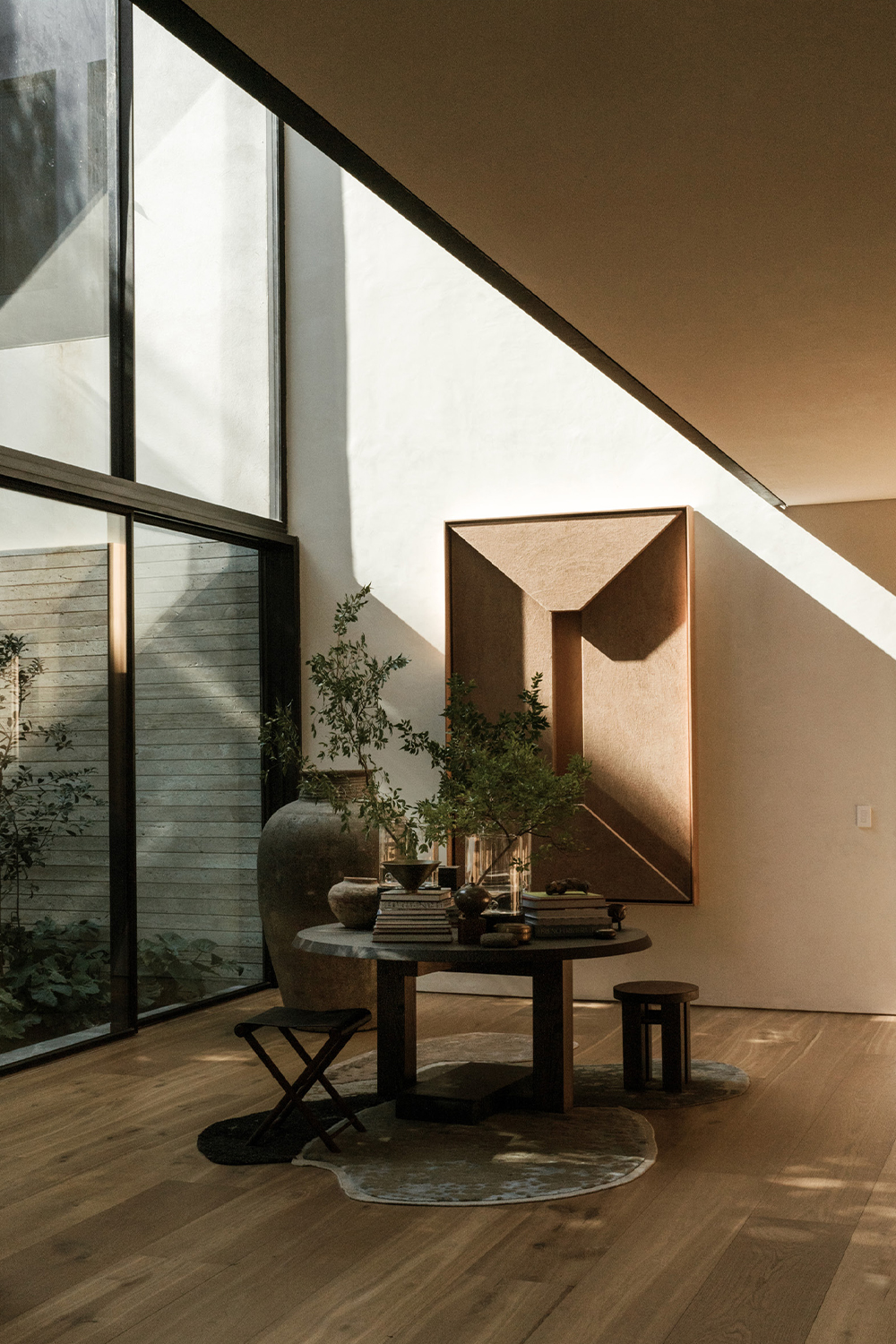
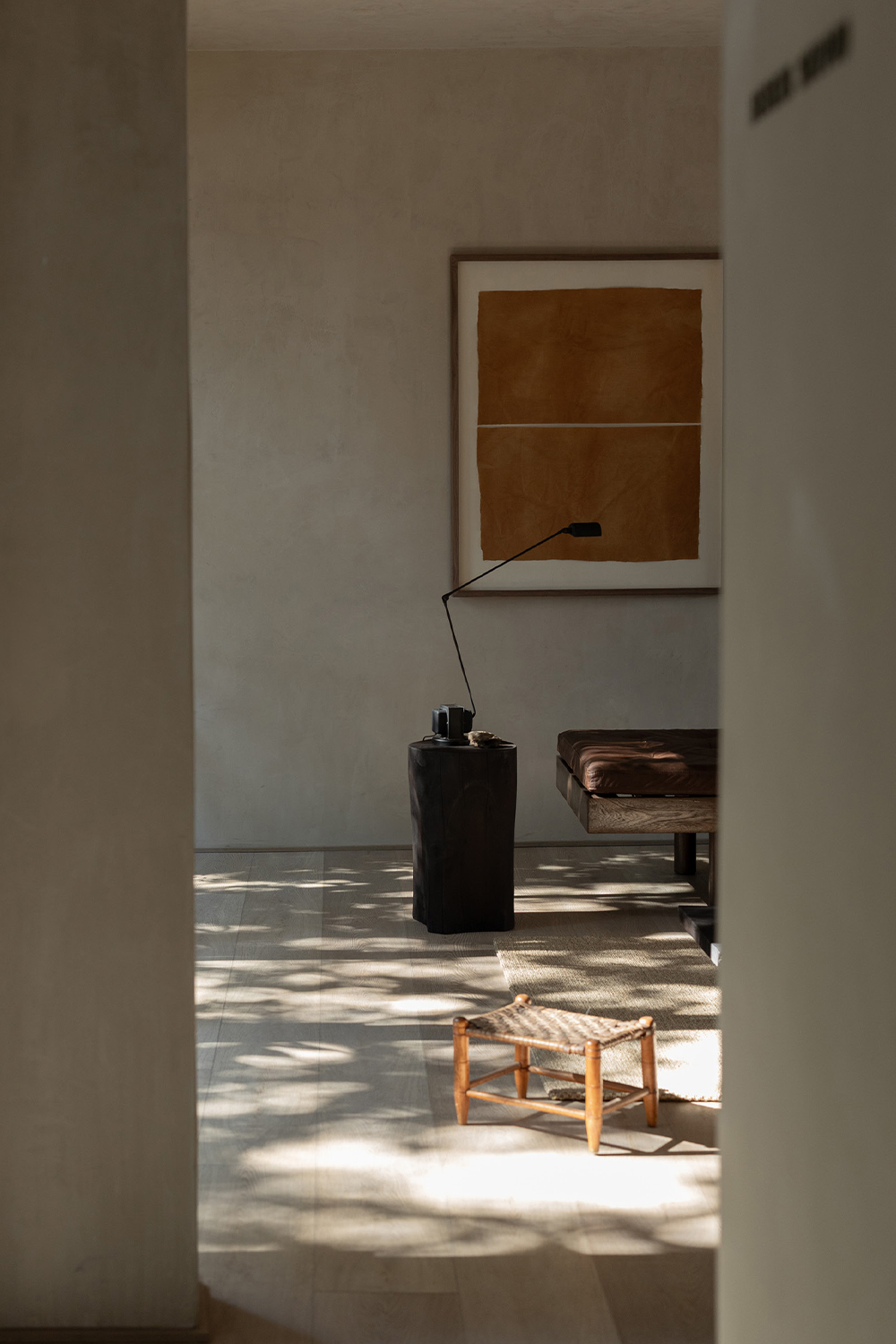
Design always happens somewhere specific. Material knowledge, ways of building and everyday habits accumulated over time gradually shape a designer’s judgment and, in turn, the character of a space. Understanding a place often begins with attending to these real, subtle details.
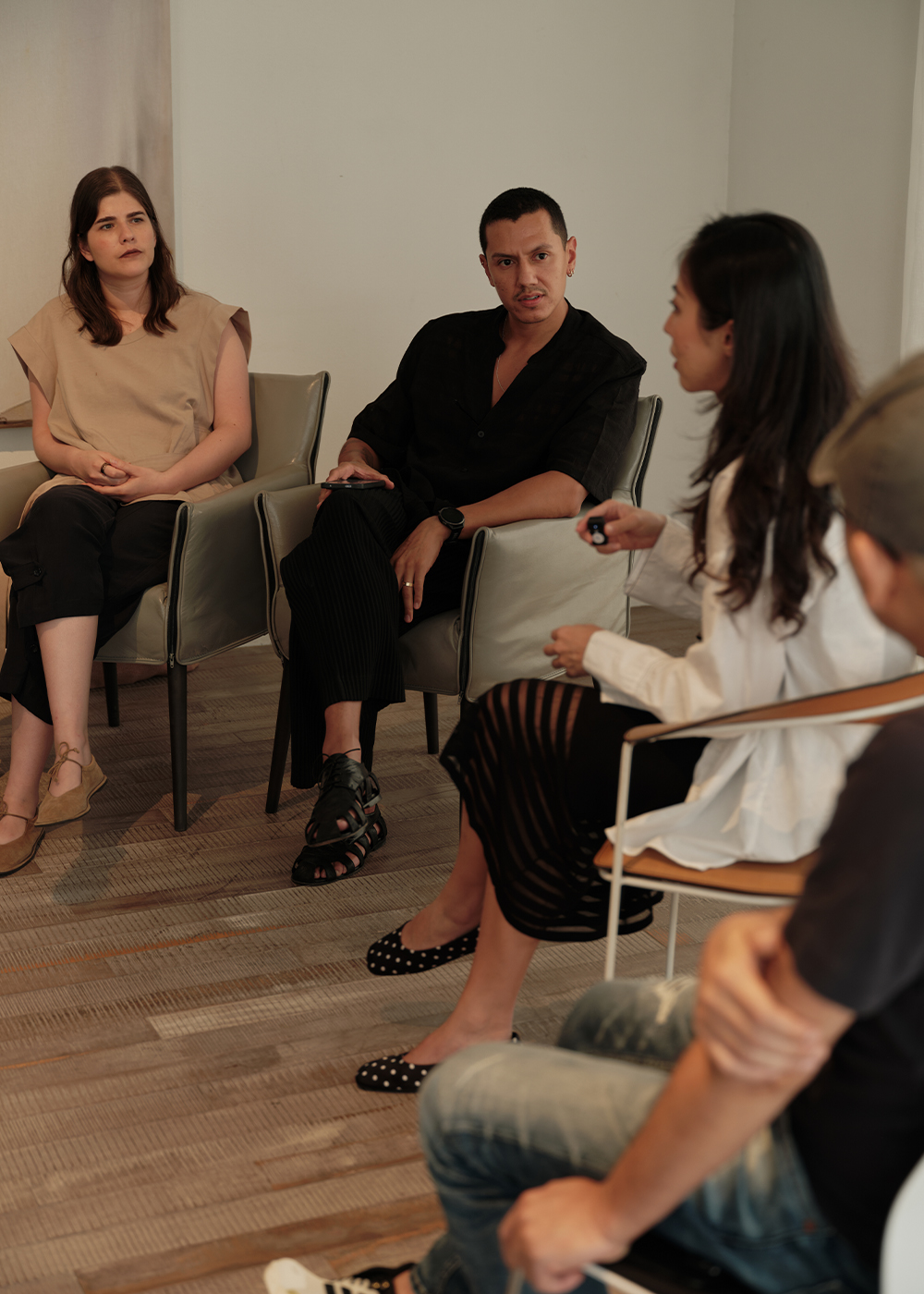
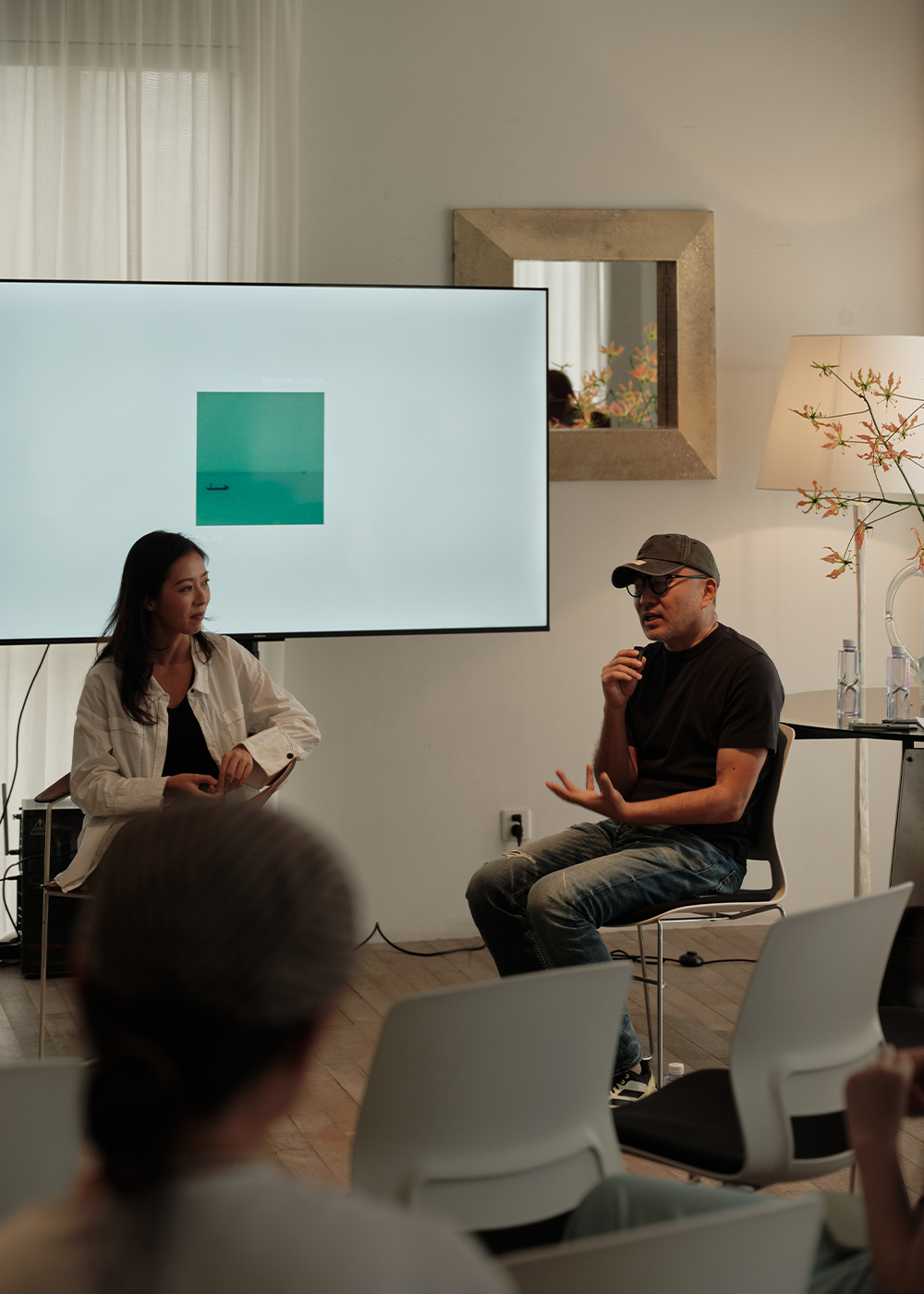
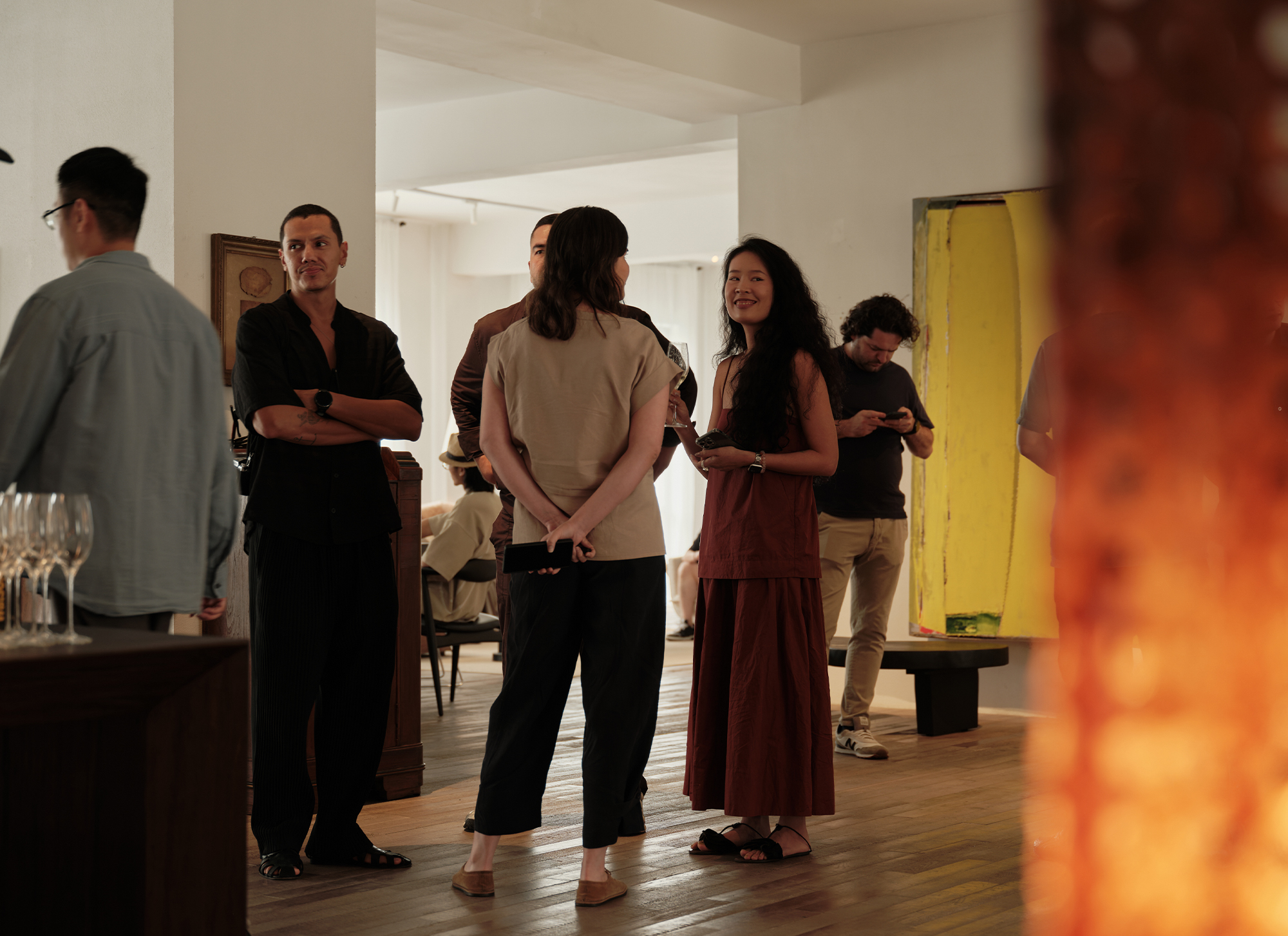
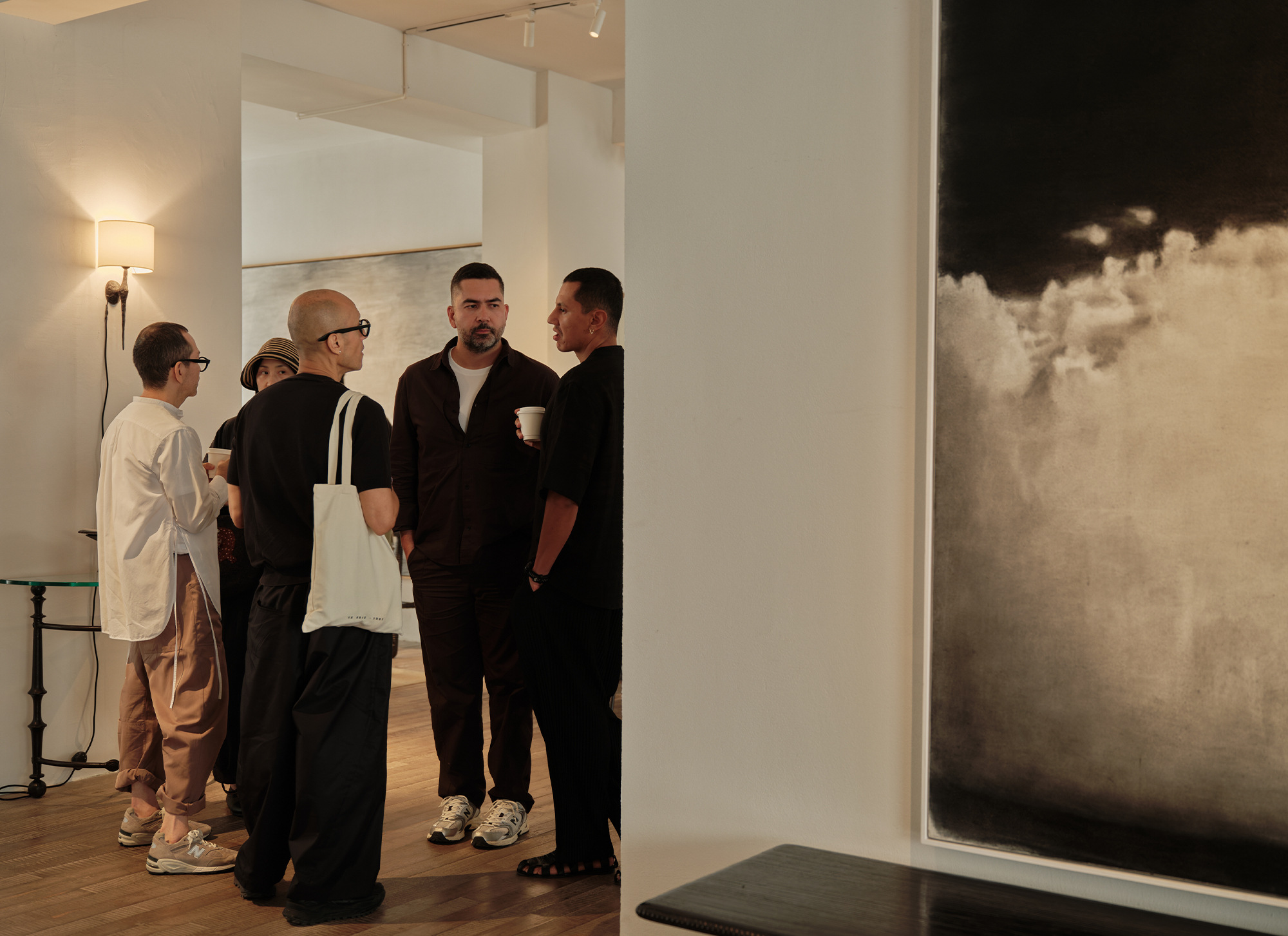
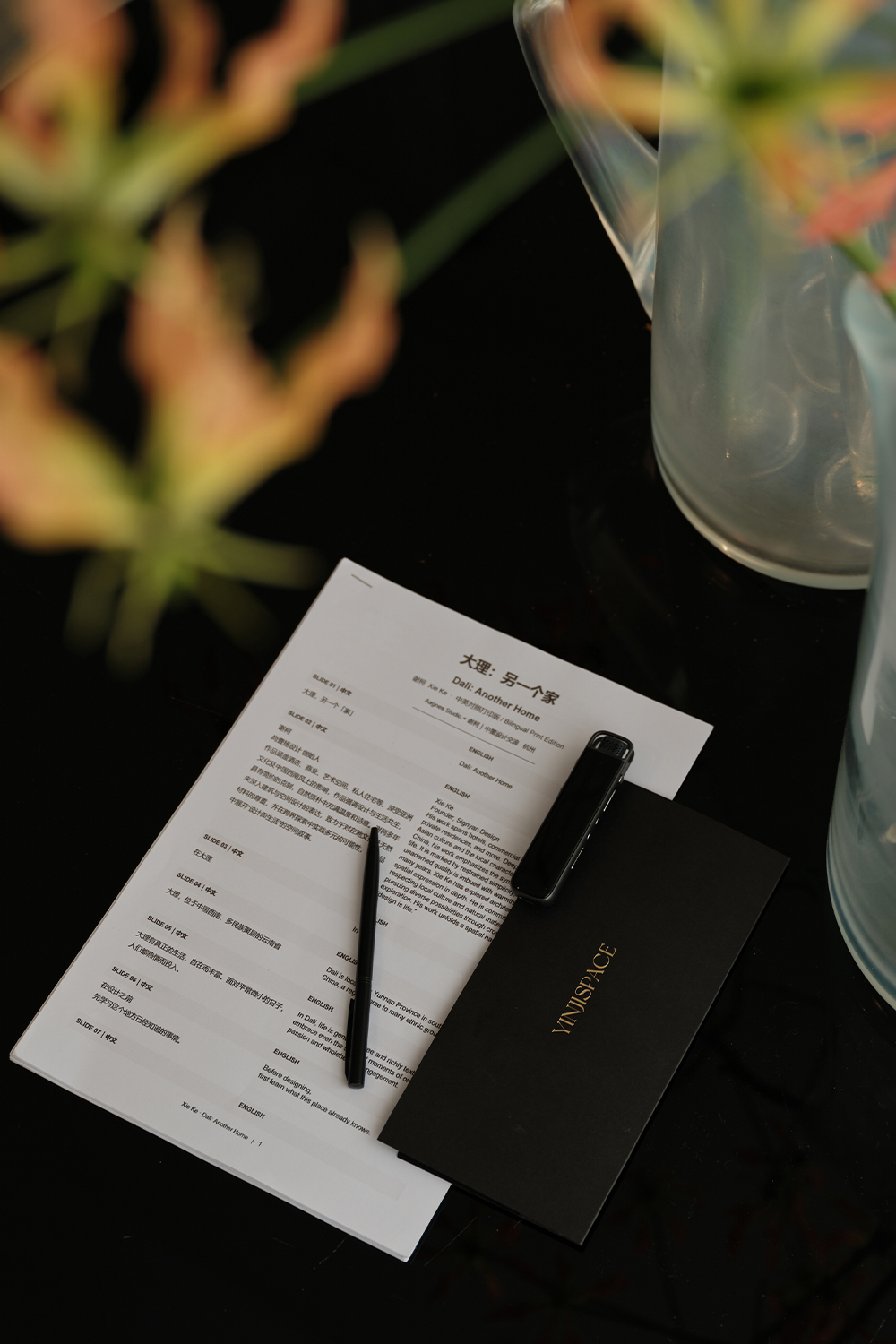
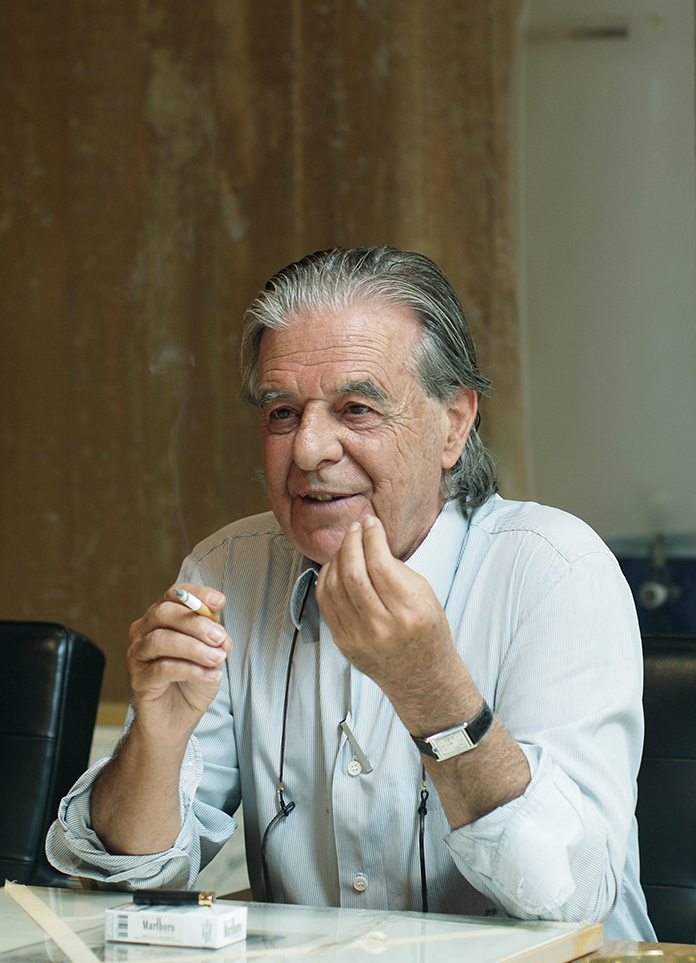
In September, YINJISPACE invited Mexican design studio Aagnes Studio and Xie Ke, founder of Signyan Design, to YIJI in Hangzhou for an afternoon of presentations and conversation. Aagnes Studio presented “The Soul of Matter,” exploring Mexico’s culture, materials and craft traditions, while Xie Ke spoke on “Dali, Another Home,” sharing reflections drawn from his years of living and working in Dali.
Aagnes Studio began their presentation with Mexico. For them, understanding a designer’s work also means understanding the position from which they see the world. Mexican culture is shaped by multiple layers of history, with the pre-Hispanic, colonial, modern and contemporary continuously overlapping and still coexisting today in architecture, objects and everyday life. Many elements now regarded as part of a “design language” have long been embedded in daily life.
Jalisco, the state where Guadalajara is located, offers a clear example of this relationship. Its vast agave fields may appear to be natural landscapes, yet they are the result of long-established agricultural practices. The plants are processed into natural fibres, which then find their way into weaving, furniture and everyday objects. Charrería, Mexico’s traditional equestrian culture, similarly brings together leather, ropework, embroidery, metal and wood as a material system deeply rooted in place. Land, production and everyday life are closely interconnected.
Aagnes Studio is particularly interested in spaces and objects that arise naturally from everyday needs: a rural stool, a temporary structure or an ordinary home. Function comes first, while proportion, material and form evolve through use. For them, everyday life already contains its own design intelligence, and beauty often emerges naturally through making and inhabitation.
When Xie Ke spoke about Dali, he also began with lived experience. During his early years of travelling back and forth, he often visited local guesthouses and small bars, and liked walking through villages to see ordinary homes. Many of these spaces had not been deliberately designed, but had gradually taken shape around the residents’ everyday needs. Some places were very simple, yet in the evenings, hosts would naturally sit down for drinks and conversation with their guests. This sense of hospitality and care for people was also part of what first drew him to Dali.
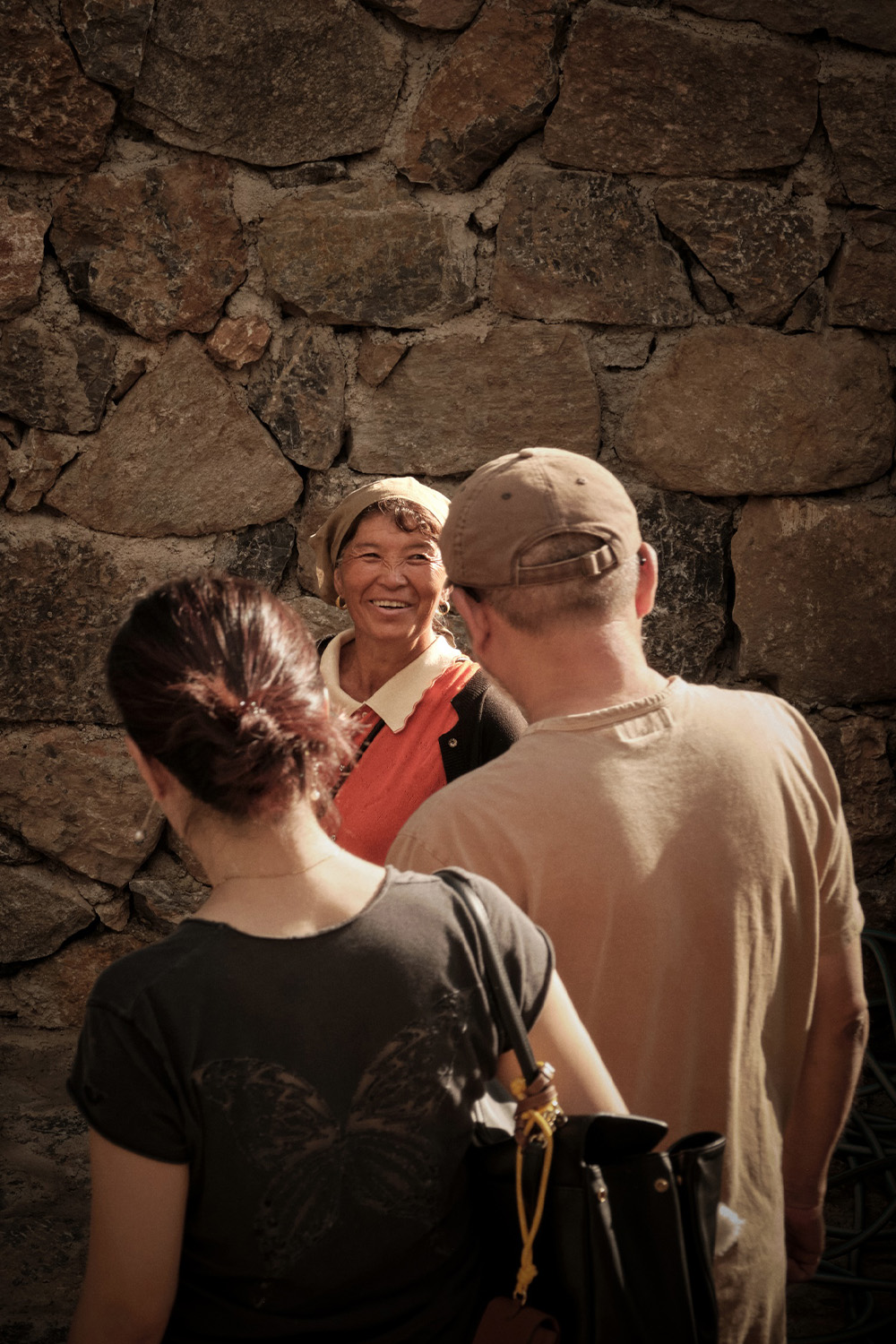
The village houses also left a deep impression on him. As Xie Ke observed, there is a great deal of wisdom embedded in ordinary life. A family may live in the same place for several generations; children are born, elders pass away, new needs emerge, and the house gradually changes through continued use. Courtyards are kept tidy, with flowers and plants in almost every home. Many of these things require little money, yet they reveal the time and care people are willing to invest in shaping their everyday lives.
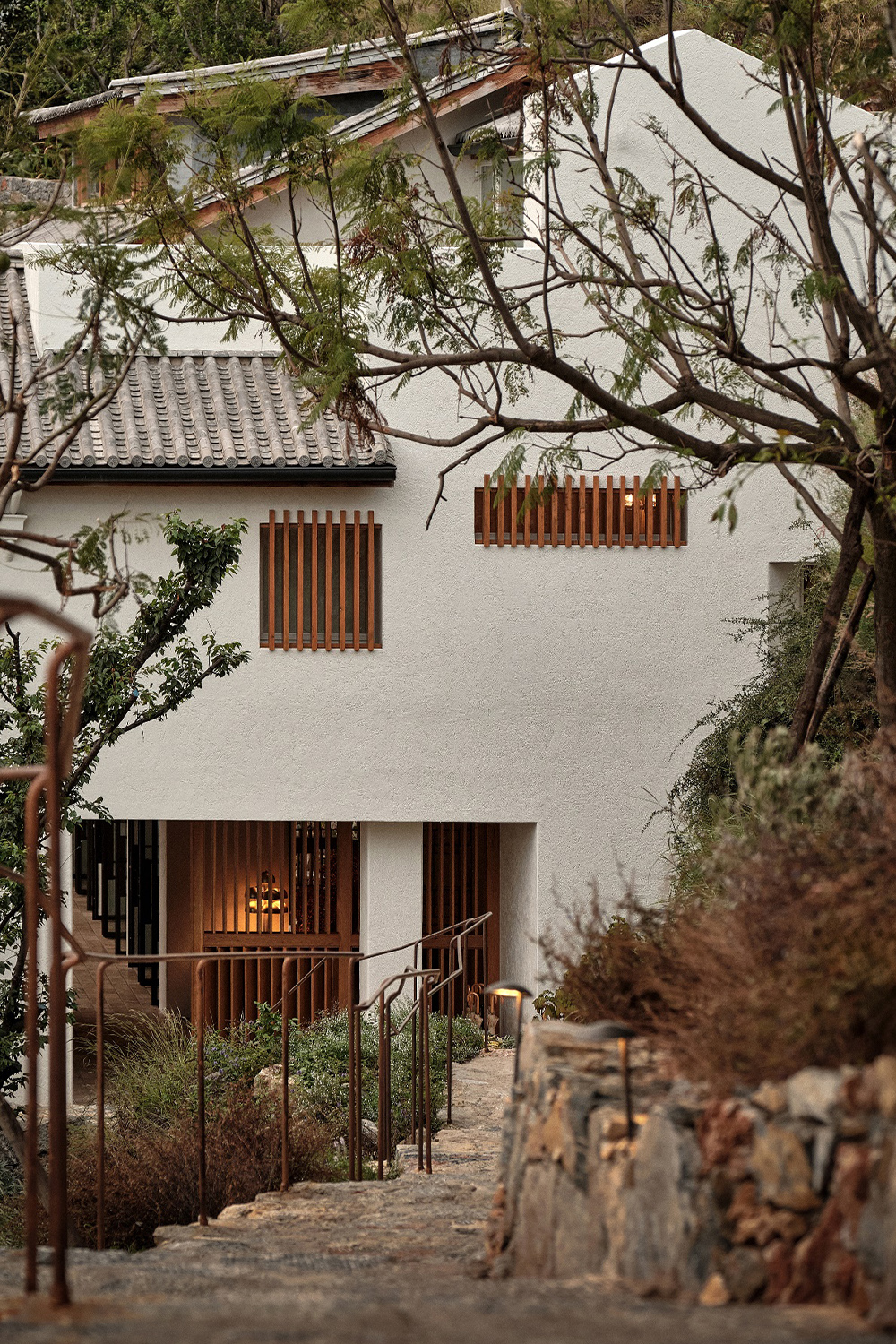
After years of travelling back and forth, Xie Ke eventually began living in Dali. Completed in 2018, Shanshuijian became his home there. Furniture and old objects he had collected over the years gradually found their place in the house, and friends visiting Dali would often gather there. For Xie Ke, a home is shaped more by what one gathers and keeps over time, and by the natural traces of everyday life. His understanding of Dali also shifted from simply observing the place to living within its daily rhythms.

When speaking about tradition, Aagnes Studio began with rituals that continue to exist in everyday life in Mexico. Some practices with pre-Hispanic origins have endured to the present day, while their imagery, symbols and forms of celebration have continued to evolve over time. New generations remain involved, interpreting and expressing these traditions in ways that belong to the present. For Aagnes Studio, the vitality of tradition comes from continued practice. As it is used and passed from one generation to the next, it takes on new forms of expression and remains connected to contemporary life.
This understanding naturally extends to the way Aagnes Studio thinks about craft. Much of Mexico’s craft knowledge does not exist in complete drawings, manuals or production guidelines. Instead, it is passed from one person to another through repeated making and practice. As they put it, “Knowledge can also live in the hands.”
Aagnes Studio has long worked closely with craftspeople across different materials. For them, artisans are part of the design process from the beginning. Drawings provide a direction, while materials, tools and the artisan’s experience continue to shape the work in the workshop. As they put it, “We don’t design with materials. We design through materials.”
Xie Ke’s practice in Dali also speaks to this discussion of craft, experience and continuity. The two old courtyards at Xiashankou had stood empty for more than a decade. Before work began, he invited the two original families back, documenting them and the old houses in photographs and video before anything changed.
One of the owners, Master Rui, was working away from home at the time. The house had been in his family for three generations, and he knew its original construction better than anyone. Xie Ke later invited him back to lead a group of local villagers, working alongside craftsmen from Chongqing. The leaking roof was retiled, the original timber windows and decades-old thin glass were kept, and the kitchen was finished simply in cement to retain something of the plain character of the old earthen stove. Much of the work was decided directly on site, through looking, making, and the experience of those who knew the house well.
This trust in making and on-site knowledge also continued at Xishang Shuanglang. First opened in 2020, the space was revisited in 2026 after nearly six years of use. As the street outside became busier, the team reworked the entrance to restore a greater sense of calm and privacy within. Certain materials and construction methods were developed collaboratively on site with craftspeople, with many details completed by hand.


Aagnes Studio shared that a space feels truly complete when attention shifts away from individual materials, furniture pieces and design decisions, and toward the overall atmosphere they create together. From there, the conversation turned to time.
Their studio brings together objects from different places and periods: old pieces from Mexico, furniture from Asia, and collections gathered through travel. The traces of use and cultural memory carried by these objects also become part of the space. What Aagnes Studio values is precisely this “mix of cultures, countries and time.”
When Aagnes Studio describes time as a “material,” they are referring not only to the sense of age carried by old objects, but also to the changes that take place as a space is used. They also place particular importance on light, as it is always moving and continually reshaping how a space is perceived. When a space becomes quiet enough, time seems to slow, allowing textures, objects and light that might otherwise recede into the overall atmosphere to come back into view. For them, time not only enters a space, but continues to shape it through years of use.
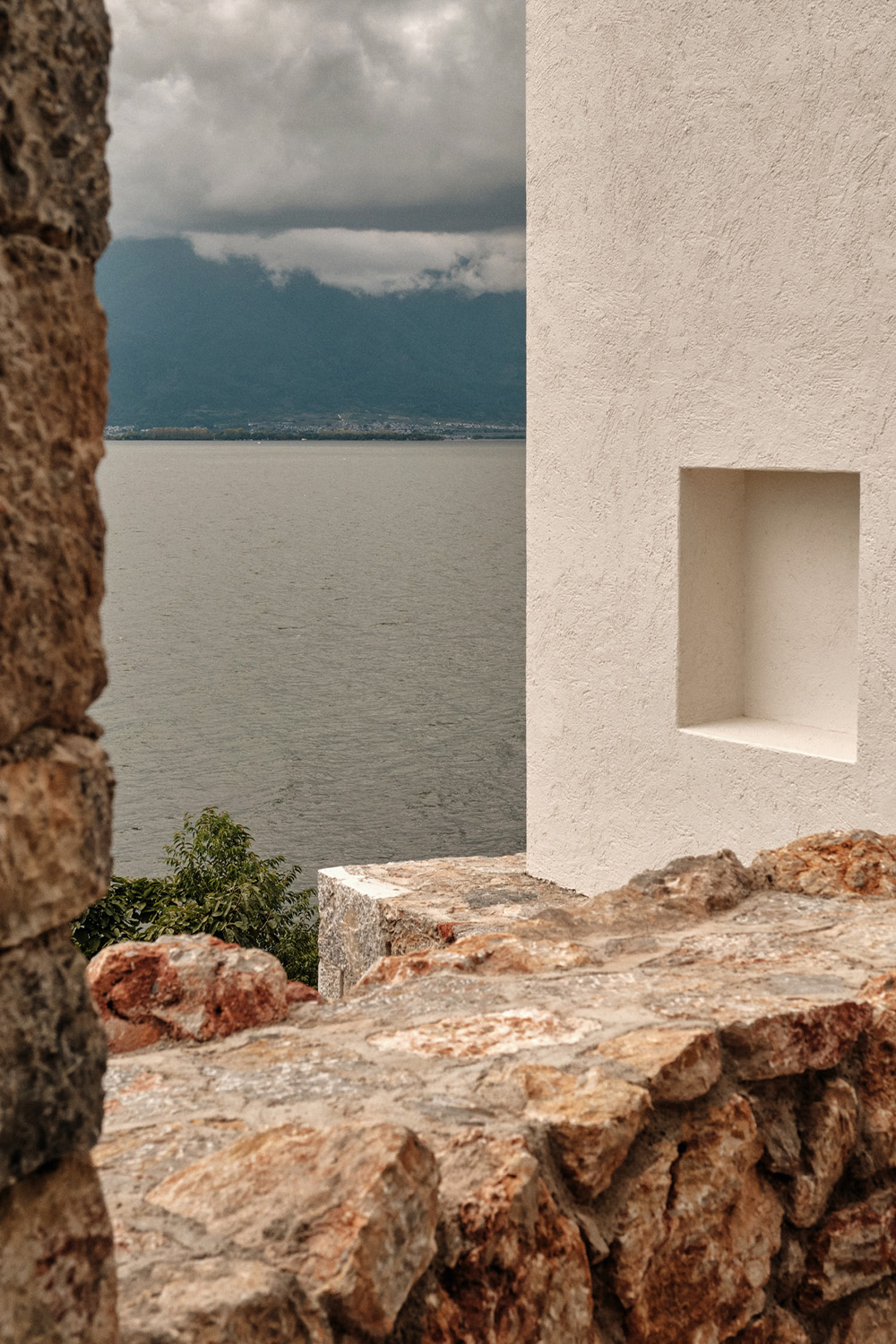
In Xie Ke’s presentation, Qingshan Village 49 revealed another experience of time. The project began in 2017 and was completed in 2024, spanning seven years. During that period, both the project and the village around it continued to change.
As the project neared completion, the team placed a photograph taken seven years earlier beside a new image from the same viewpoint and realized that more and more hotels had appeared around the village. In the end, Xie Ke kept the name “Qingshan Village” and added the house number “49” as the project’s name. He did not want people to remember only the names of individual hotels while gradually forgetting what the village itself was originally called.
Seven years, then, was more than simply a period of construction. Before the space was complete, the place around it had already changed, requiring the design to repeatedly reconsider its relationship with its surroundings. And even after the space was finally built, time would continue.


In the discussion that followed, Xie Ke mentioned that while listening to Aagnes Studio, he found a sense of familiarity in the textures of certain materials, ways of making, and lived experience. Aagnes Studio likewise noted that, in their understanding and treatment of light, they recognized certain similarities with Xie Ke’s work. Mexico and China may be far apart, yet when each speaks from their own cultural and lived experience, these “distant similarities” begin to come into view.
Aagnes Studio said that China is still a place they are only beginning to understand. Precisely because there is still so much they do not know, they hope to continue seeing and learning more. Reflecting on the exchange, they valued the opportunity for people from different places to sit together, share what they are working on, and bring experiences and questions from different cultures into the same conversation. As they put it during the event, it allows “someone on the other side of the planet to hear about what we are doing on this side.”
This is also the kind of connection YINJISPACE hopes to continue building through its offline events: bringing together creatives from different cultural backgrounds to speak from their own lives and practices, understand one another through exchange, and see familiar experiences with fresh eyes.