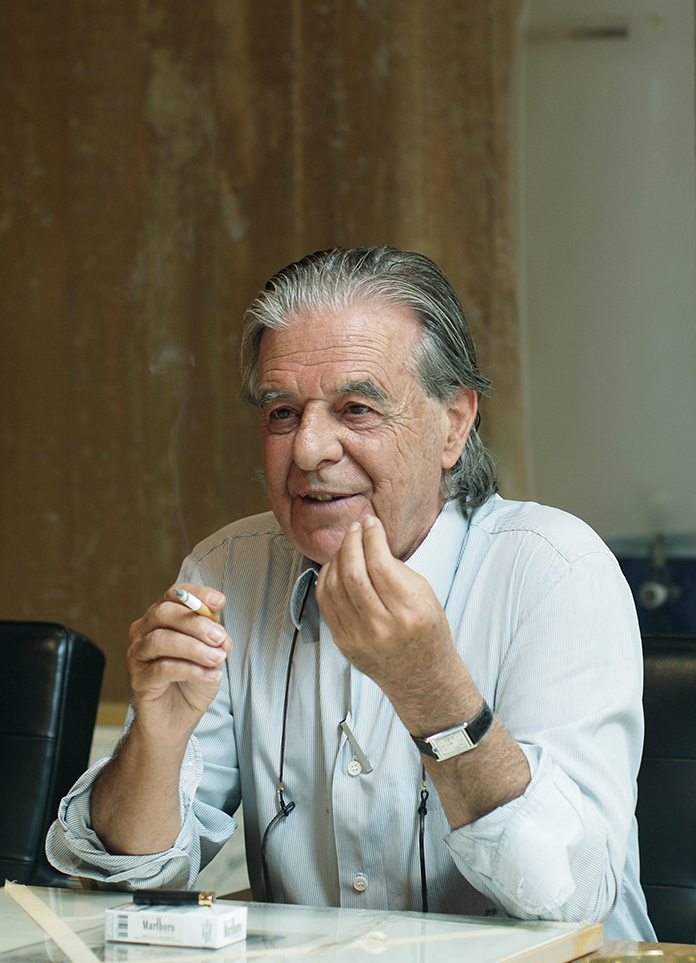
On the western coast of the Atlantic Ocean, Portugal, with its overall layout running from north to south, is one of the ancient countries in Europe. It was once a trendsetter in history, with its masts rising high and presenting an endless scene. The subtle changes over time occur in the mountains, hills, and oceans. Today, the southwestern part of the Iberian Peninsula no longer has the ancient ocean-going sailing ships from the past. Time has passed, the excitement has faded, and the mountains and the sea have returned to tranquility. For the contemporary architectural community of Portugal and the world, Alvaro Siza is an important figure; for him personally, "All designs start from the site." This breakthrough into the modernist paradigm that has lasted for a hundred years has become a new architectural concept, inspiring people's thoughts. Focusing on the historical background, emphasizing the first instinct towards the site, and responding to humanism have made the architecture rise and fall like a sculpture between nature.
This tour of Portuguese poetic architecture and luxury residences covers various fields such as architecture, woodworking art, luxury residences, hotels, etc. It emphasizes the concept of "empathy" in terms of local characteristics, design consciousness, and understanding of the location. We will focus on the Alvaro Siza firm, Eduardo Souto de Moura firm, the master of luxury residence design Aires Mateus, the installation artist Joana Astolfi, the Porto architects Luisa Souto de Moura and Luís Pereira Miguel, as well as the woodworking artist Mircea Anghel. Through their design strategies that adapt to the site, history, environment, contemporary aesthetics, and spatial functional attributes, we will explore the thinking logic and social significance behind their works.
This "referable" practical design methodology may offer some inspiration to us at present. From May 20th to May 27th, 2026, a 8-day 7-night itinerary. You can join YINJISPACE to delve into the "location" itself, experiencing, perceiving, and appreciating the individual charm presented by the differences based on the overall coordination of the site environment in another country.
The renowned Portuguese architect Alvaro Siza is hailed as "the poet who carves architecture". He is known for his minimalist and modernist styles. He is skilled at using simple geometric forms and clear lines to showcase the fluidity and poetry of space, emphasizing the balance between functionality and aesthetics, and creating buildings that coexist harmoniously with the environment. Alvaro Siza was awarded the Pritzker Prize, the highest honor in the field of architecture, in 1992. His works, which profoundly reflect the perfect integration of regional culture and modern design language, have become one of the important iconic figures in contemporary architecture. His rational yet emotionally charged design works bring profound philosophical thinking and unique artistic expression to contemporary architecture.
Eduardo Souto de Moura is a renowned Portuguese architect. As the winner of the Pritzker Prize in 2011, his architectural style combines abstract aesthetics with functionalism. He is skilled at using light, shadow, proportions, and material variations to give space depth and a sense of layering. He creates dialogues between architecture and landscape. Through the purity of geometry, material texture, and harmonious relationship with the environment, and by using natural stones, concrete, and wood, he has created simple yet powerful spaces. While emphasizing the practicality and detailed expression of architecture, he combines modernity with local culture, demonstrating his respect for history and the region.
The Portuguese architect Manuel Aires Mateus is one of the founders of Aires Mateus Architects. His works often emphasize simplicity and purity, the use of light and shadow, and the geometric sense of space. He pays attention to establishing a dialogue between the building and nature, enabling the architecture to both blend into the environment and possess modernity and commemorative significance.
Luís Pereira Miguel is an architect and designer from Portugal. He was born in Lisbon in 1974. He graduated from the Lusíada University in Lisbon with a degree in architecture in 1997. During his studies, he had the opportunity for exchange learning. This formal cross-cultural academic experience enabled him to be exposed to different architectural theories and methods in the early stage, laying the foundation for him to form an open and diverse design perspective in the future.


Joana Astolfi is a renowned interior designer and installation artist. She has lived and worked in various countries and regions such as Italy, London, Munich, and Los Angeles. These experiences have endowed her with a unique artistic perspective and a cross-disciplinary design style. She pays special attention to history and narrative, and is skilled at integrating historical elements with modern design. Moreover, she views objects and spaces as "experiences", believing that they can not only be shaped by time but also transcend the boundaries of time, guiding people on a journey filled with wonderful stories.
Mircea Anghel is a highly talented woodworking artist and also a creator with philosophical thoughts. Renowned for his unique wood carvings and artistic creations, he combines traditional woodworking techniques with modern artistic expressions, demonstrating his profound understanding of materials and bold exploration of forms. He breaks the existing boundaries of traditional woodworking and elevates wood art to a higher artistic realm. In Mircea Anghel's creations, wood becomes a carrier of emotions, and he skillfully transforms it into the language of art to tell stories and convey ideas.
Luisa Souto de Moura is the daughter of the renowned Portuguese architect Eduardo Souto de Moura. Influenced by her father, she has developed a unique perspective and practice in the field of architecture. Having collaborated with her father on multiple projects, Luisa particularly demonstrates her meticulous control over architecture in the presentation of details and the application of materials.
João Rodrigues is the founder of the boutique hotel brand "Silent Living". This brand is based on the concept of "Quiet Life", transforming the original family-owned old houses into a series of independent accommodation locations, such as Casas Na Areia by the sea, Cabanas No Rio by the river, and Casa no Tempo, a rural mansion located in the Alentejo region of Portugal. Each space carries the family history and regional stories, emphasizing a deep connection with nature, tradition and humanity.
Ana Leal has a background in architecture and is an important figure in the field of Portuguese architectural publishing. Currently, she is the founder and editor-in-chief of AMAG Publisher. Since 2006, she has been dedicated to architectural editing and curatorial work, and has long been committed to closely integrating contemporary architectural practice, theoretical thinking, and visual expression through publishing, interviews, and thematic research.

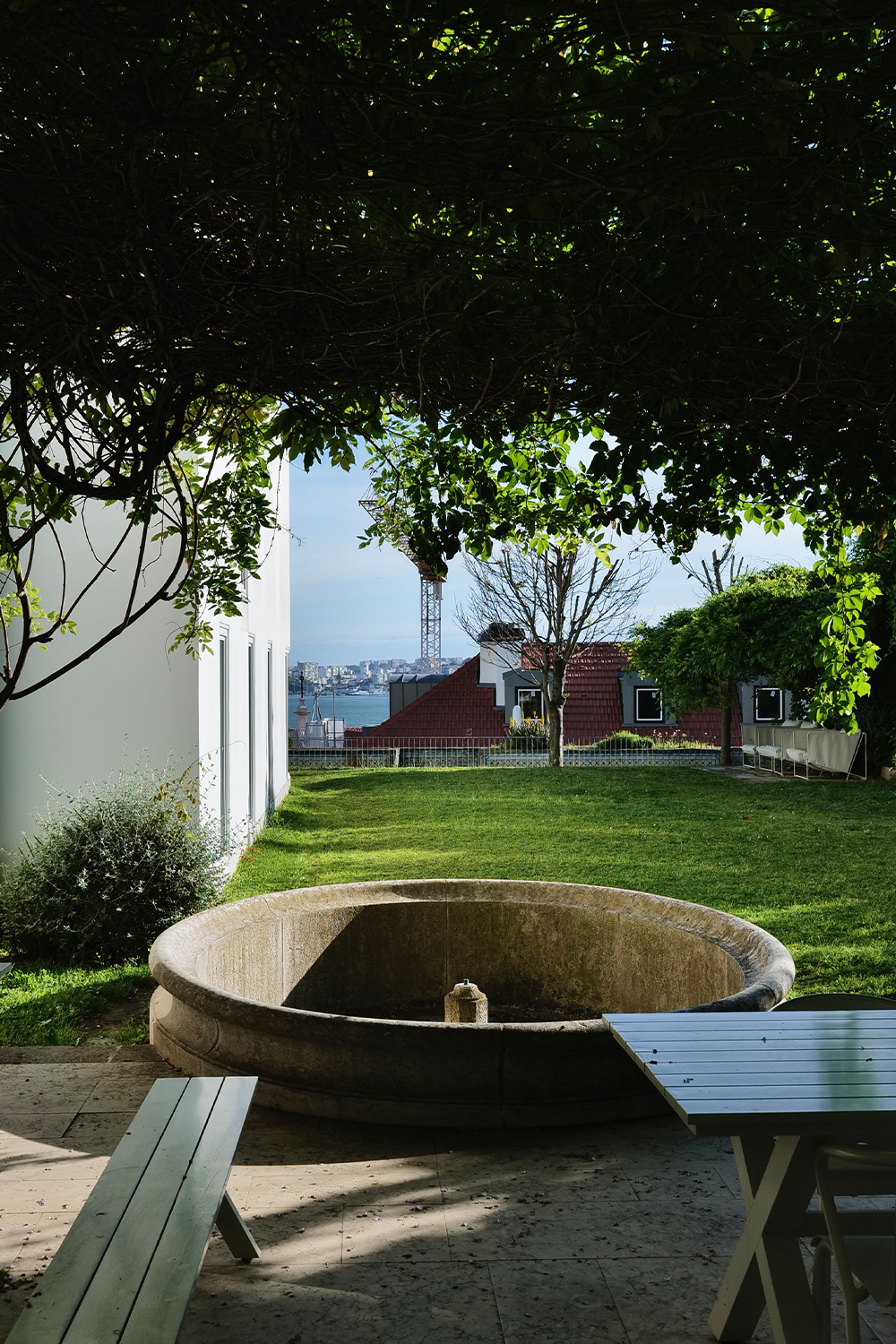
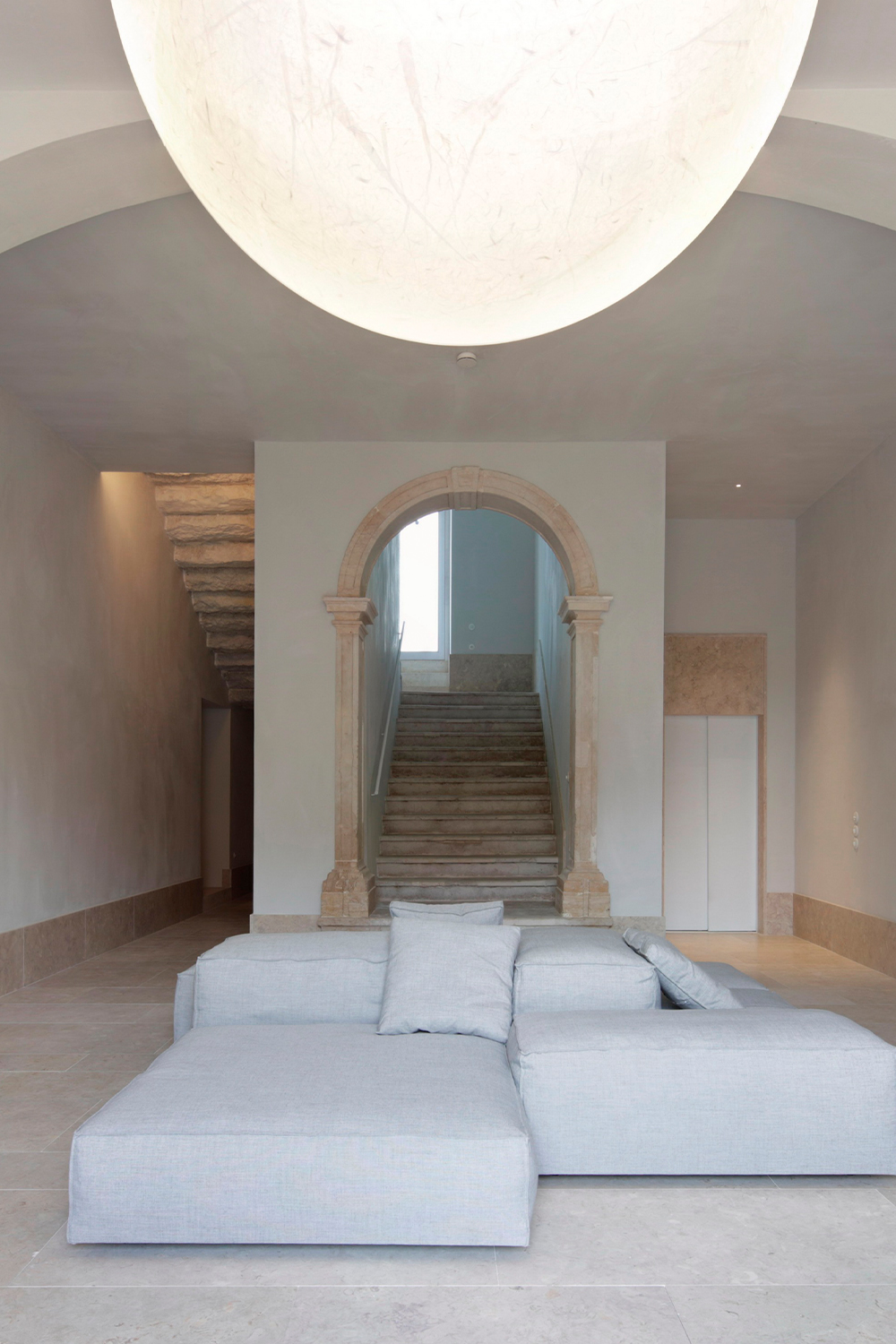
Manuel Aires Mateus' home in Lisbon is located in a 18th-century building, which retains the original exposed stone walls and floors. It is complemented by modern white walls and gentle arch elements, skillfully integrating history and modernity. The flexible design enables the space to adapt and change over time to meet the future needs of the family.
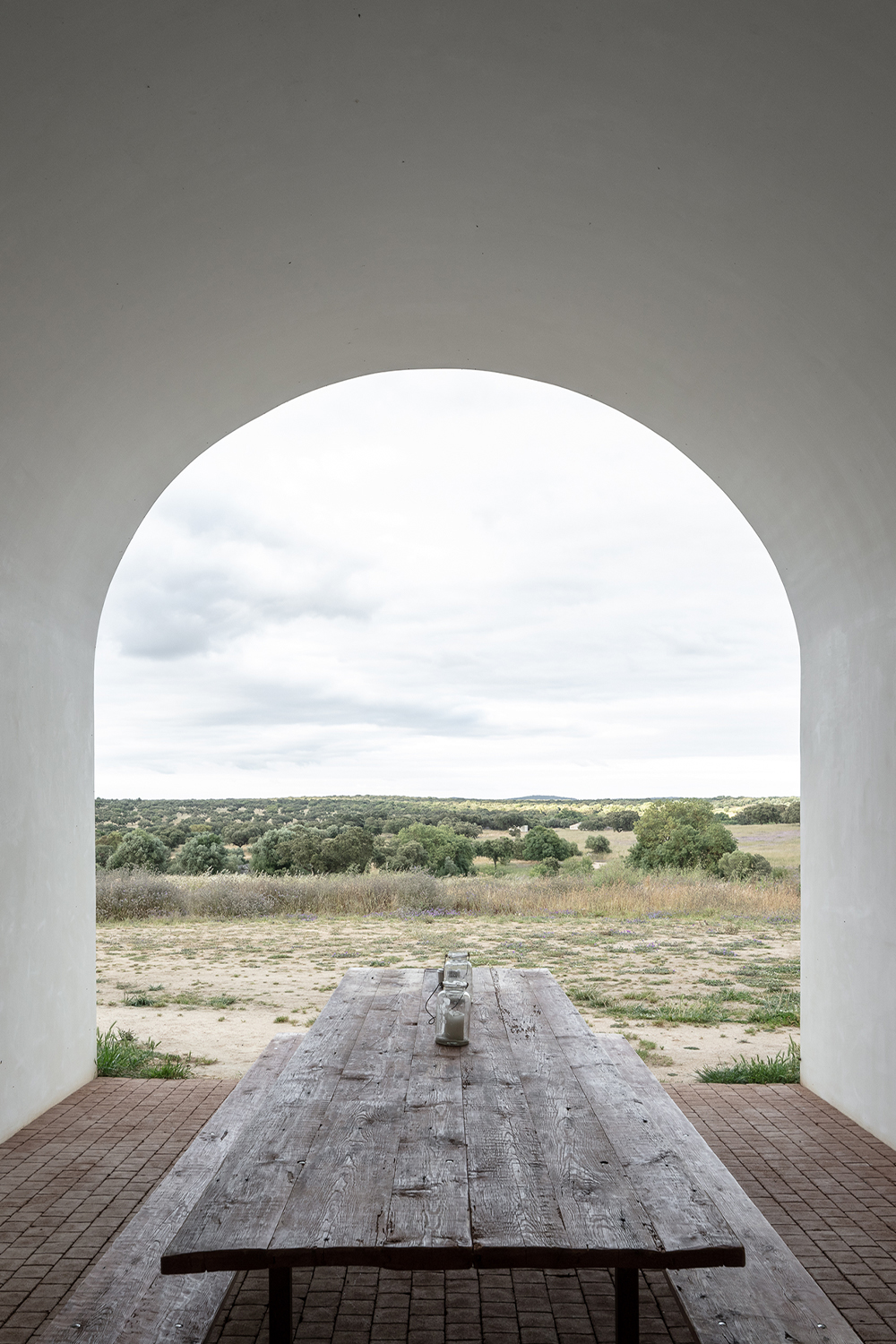
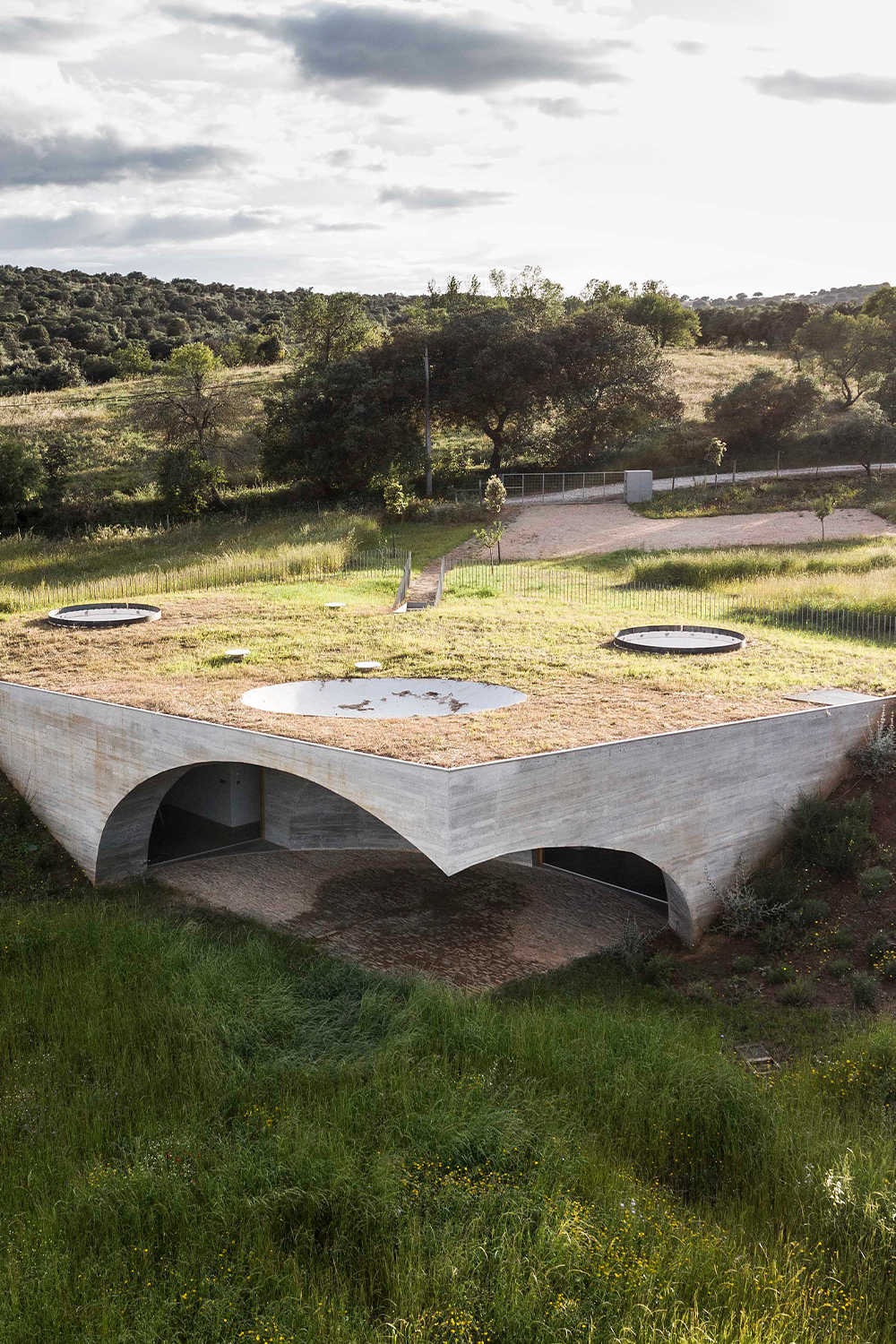
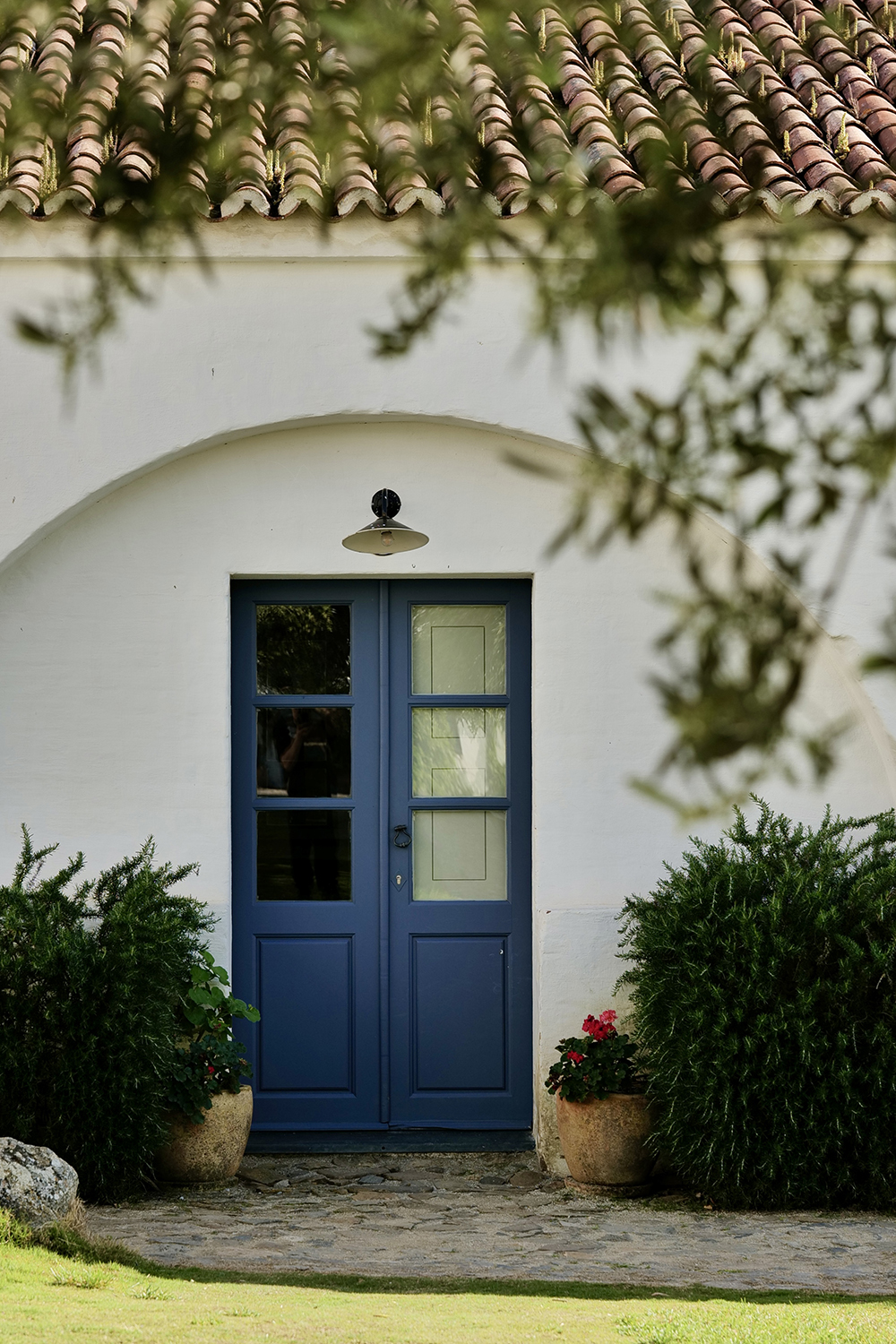
Aires Mateus Architecture was responsible for the renovation of the Casa no Tempo villa. While respecting and highlighting its historical cultural heritage, it emphasized the natural characteristics of the site. Through three complementary architectural structures, it achieved the restoration of the natural beauty and style of the rural area, avoiding traditional intervention methods and emphasizing the ultimate goal of a free dialogue between the residence and the land.
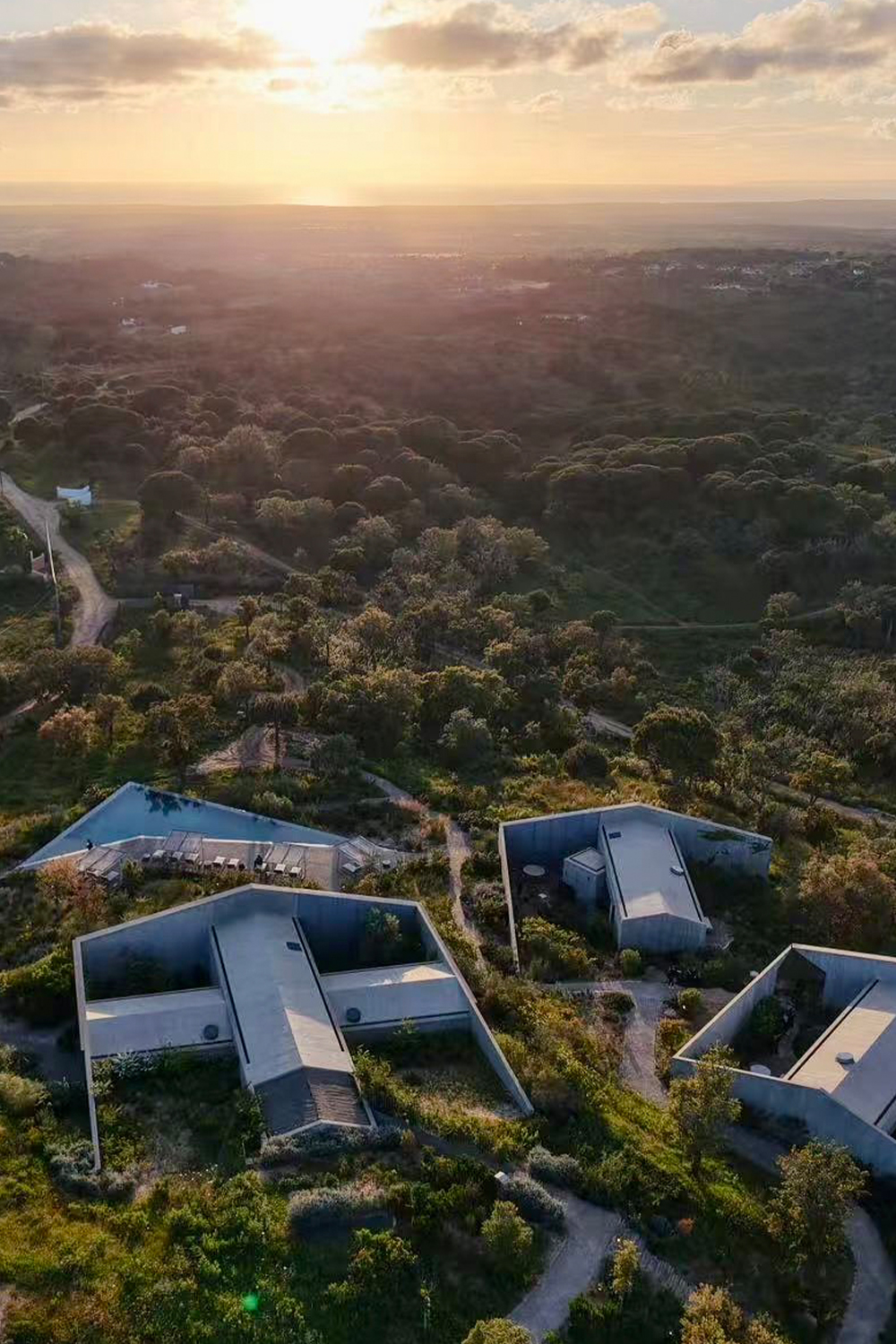
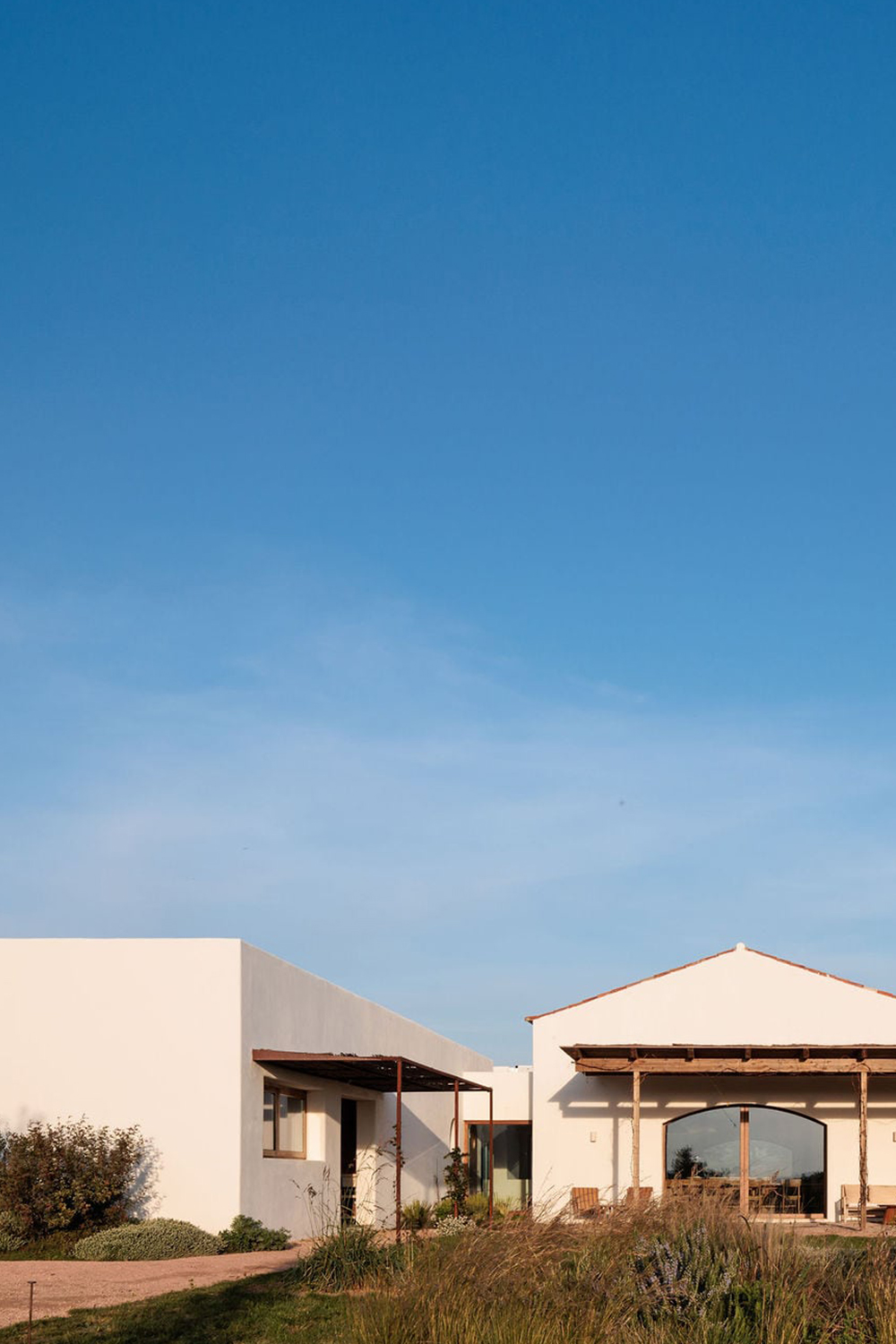
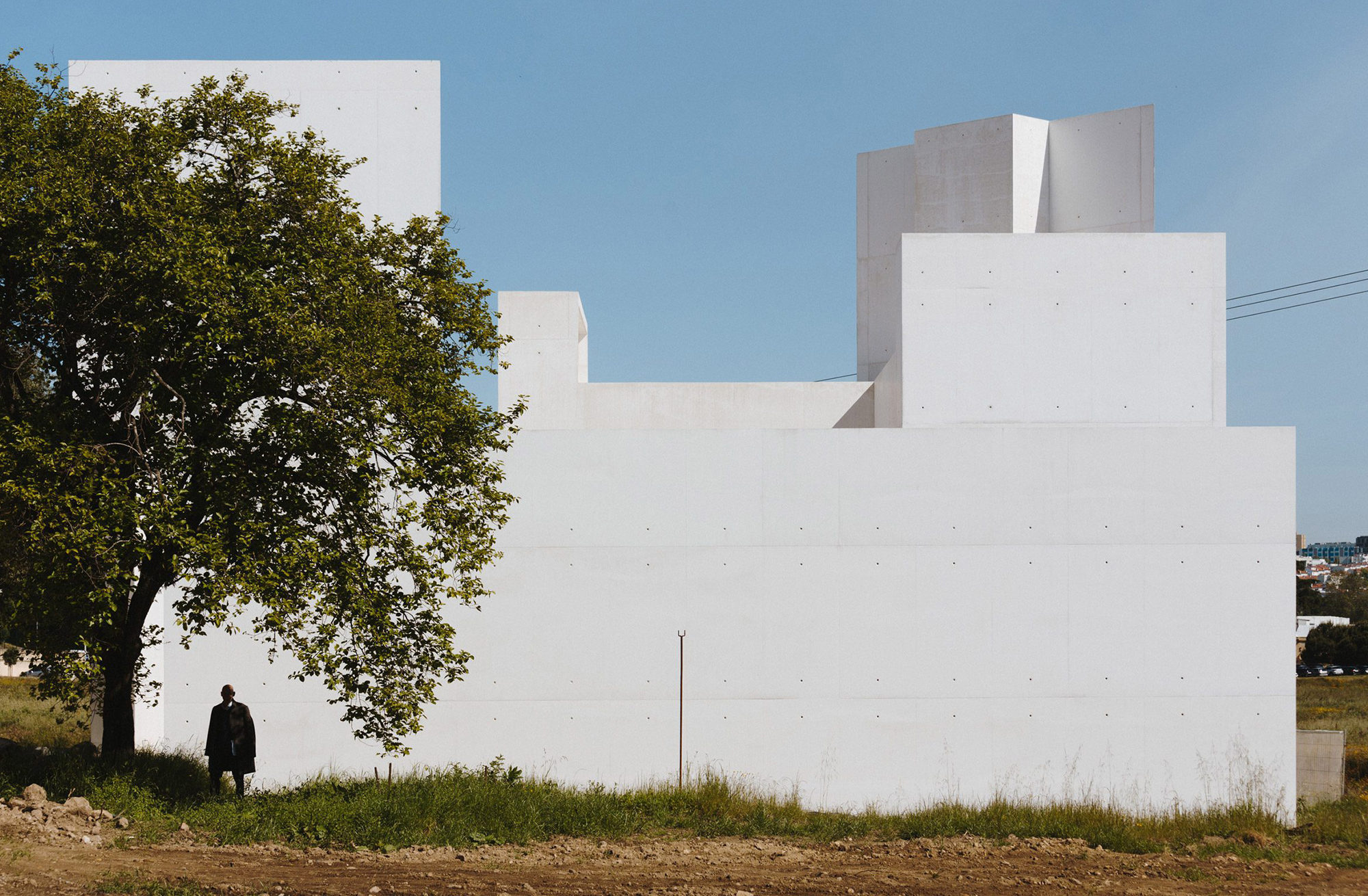
The Pa.te.os resort villa, designed by Aires Mateus Architecture, is surrounded by the rugged natural landscape of the Alentejo region and offers a panoramic view of the Atlantic Ocean. It showcases the deep integration of architecture with the natural environment. The minimalist geometric form, understated volume, and pure white walls contrast sharply with the vast terrain, while also highlighting the sculptural nature of the building and the orderliness of the space.
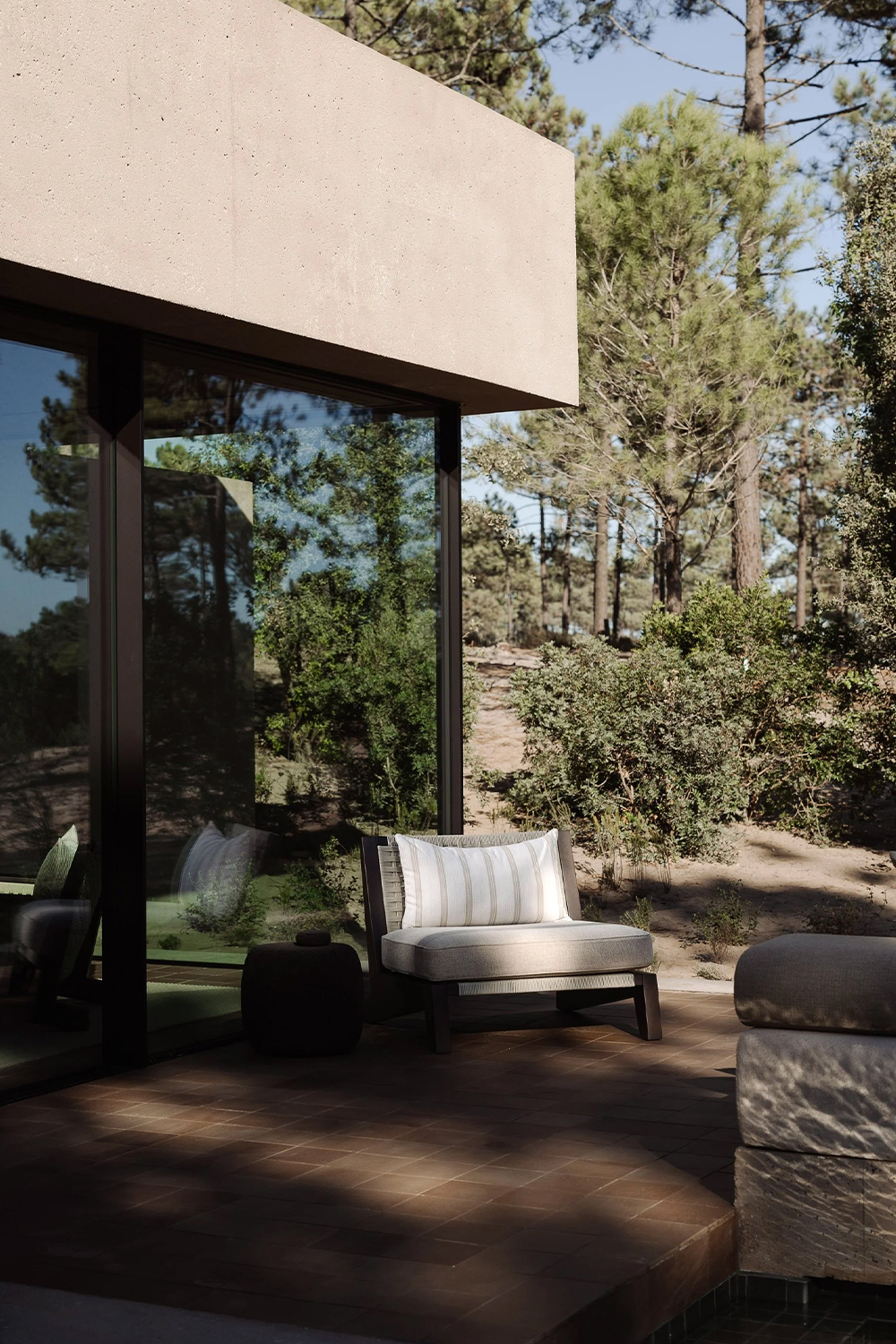
Casa na Terra is a contemporary interpretation of the most primitive natural home for humans - "caves". Aires Mateus Architecture adheres to the principle of "returning to nature and enjoying a slow life", and draws inspiration from a profound understanding of natural materials and spatial layout. They skillfully utilized local stones and woods to ensure the perfect integration of the building with the surrounding environment.
Santa Clara 1728 not only rethought the hotel industry model, but also strengthened the concept of residence, making people realize the importance of "life". Aires Mateus Architecture reshaped the business concept of the hotel, injecting harmonious elements into it. From the selection of furniture to lighting tools, from the calm tones of cream, beige to natural stone and linen, it reflects their aspiration to build a common vision that can reflect urban life, and aims to provide warmth and comfort to travelers as its ultimate goal.


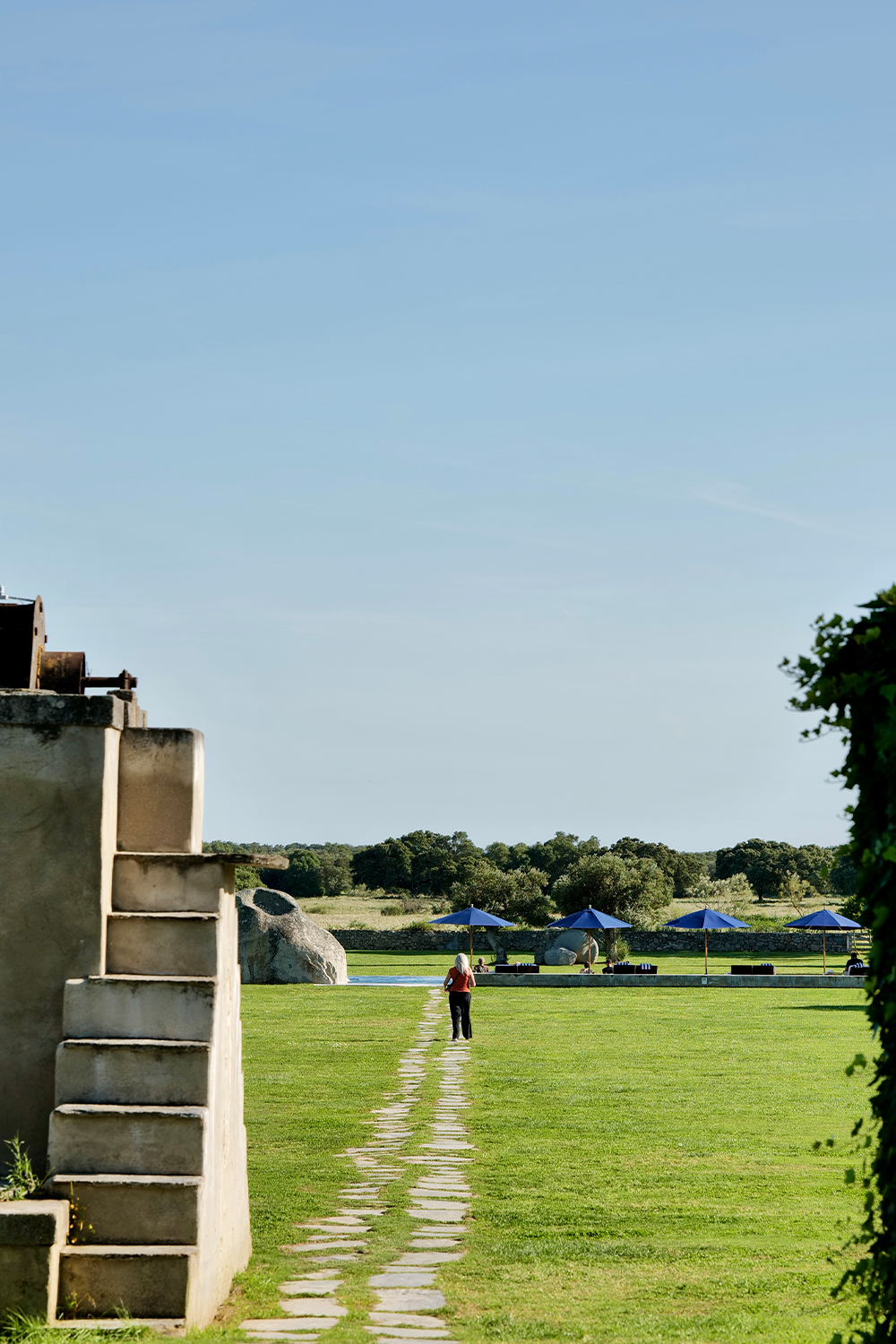
Studio Astolfi designed Casa Nossa, which is located in the unique landscape of Monsaraz, Portugal. It enjoys excellent geographical location and can overlook the Guadiana River and the Spanish border. It is a rare and secluded treasure. This estate covers 65 hectares (160 acres) of natural scenery, surrounded by century-old oak trees, native plants, fruit trees, aromatic herbs, and a vegetable garden that grows seasonal vegetables.
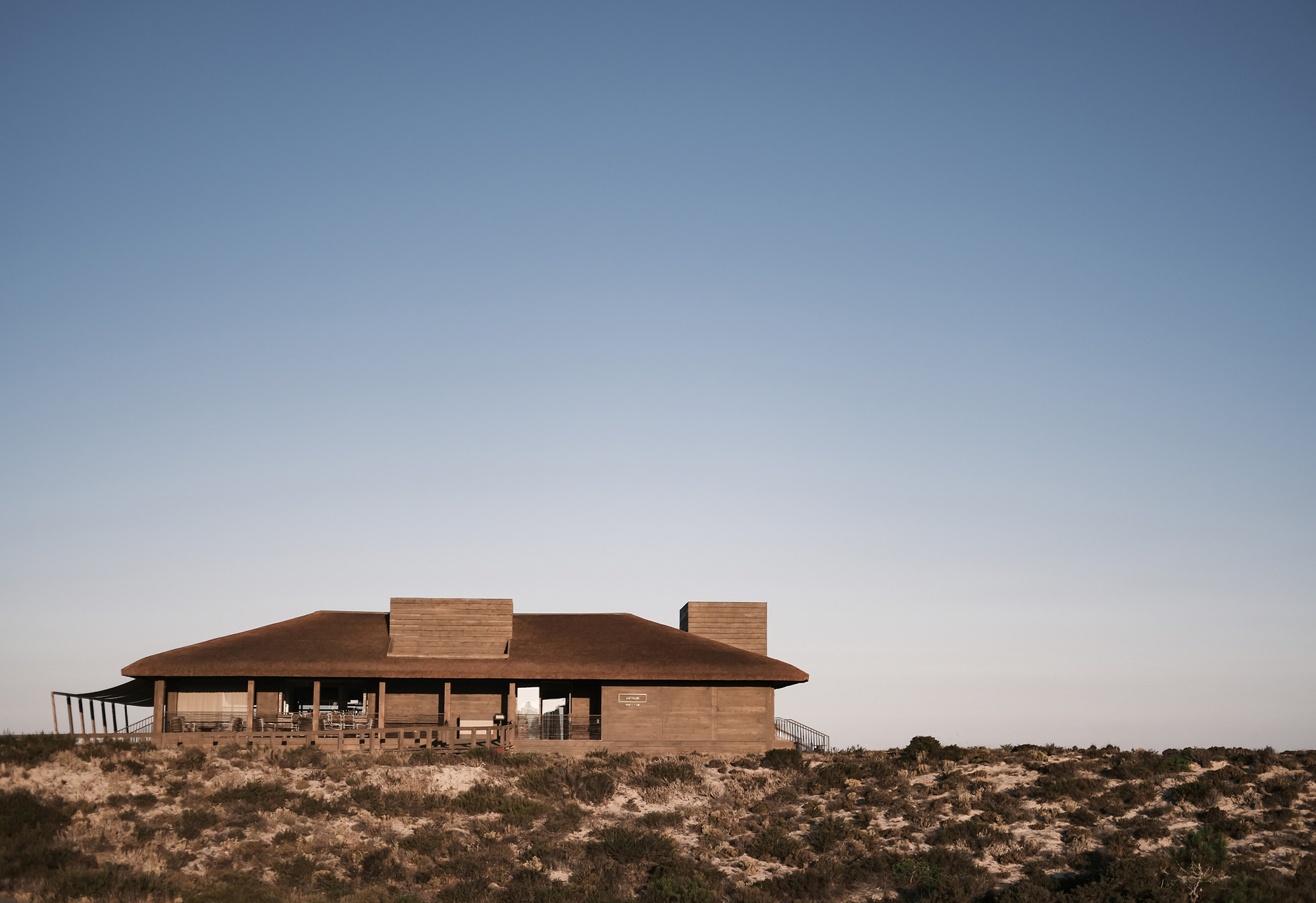
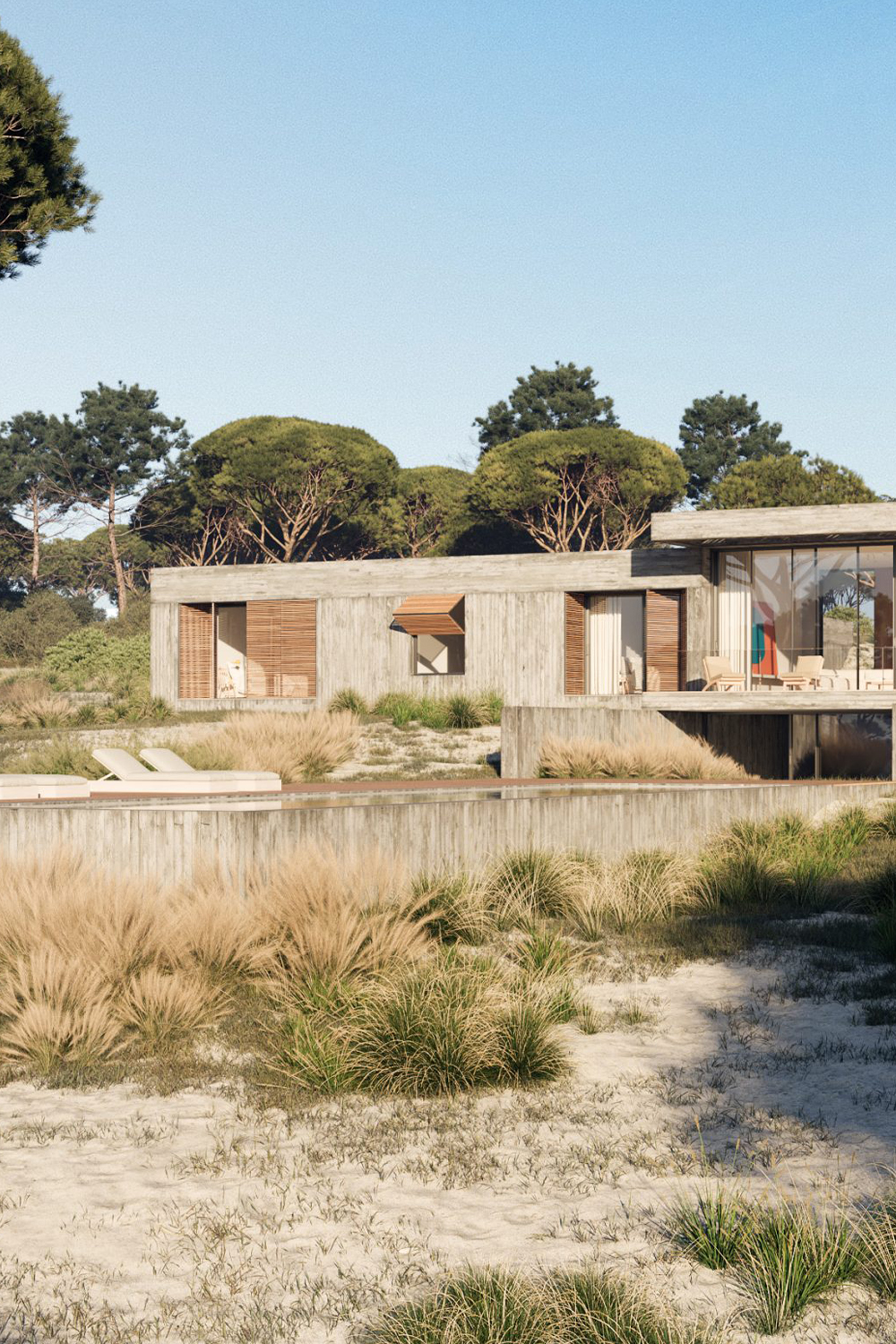
The JNcQUOI Comporta villa, designed by Vincent Van Duysen, continues its consistent restraint and timeless aesthetic. It seamlessly integrates into the original and serene natural environment of Comporta through a low-key and precise architectural language. The building creates a highly integrated living experience with the landscape, achieving a delicate balance between contemporary comfort and regional spirit, presenting a serene and restrained luxurious atmosphere.
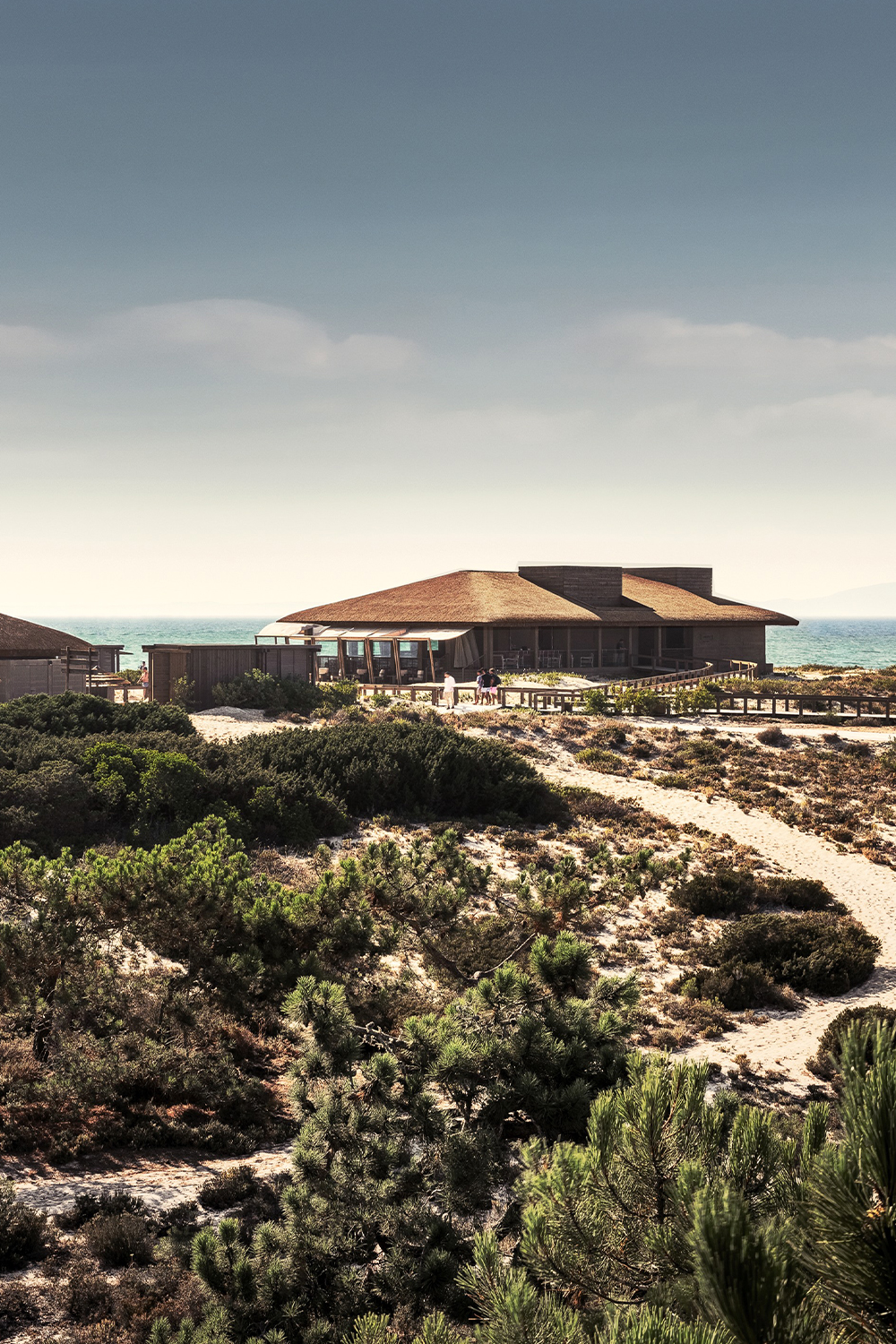
The pristine white beach and the raw, pure natural landscape surround the JNcQUOI Beach Club. The project is located on the Praia do Pego coast in Comporta, Portugal, and was designed by Vincent Van Duysen Architects. It responds to the site with an architectural language that is in harmony with nature. This is not only a place for living, dining, gathering, and relaxation, but also a coastal oasis that integrates architectural expression with the raw magnificence of Alentejo. It conveys the unique and extraordinary spirit of Comporta in a concise manner.
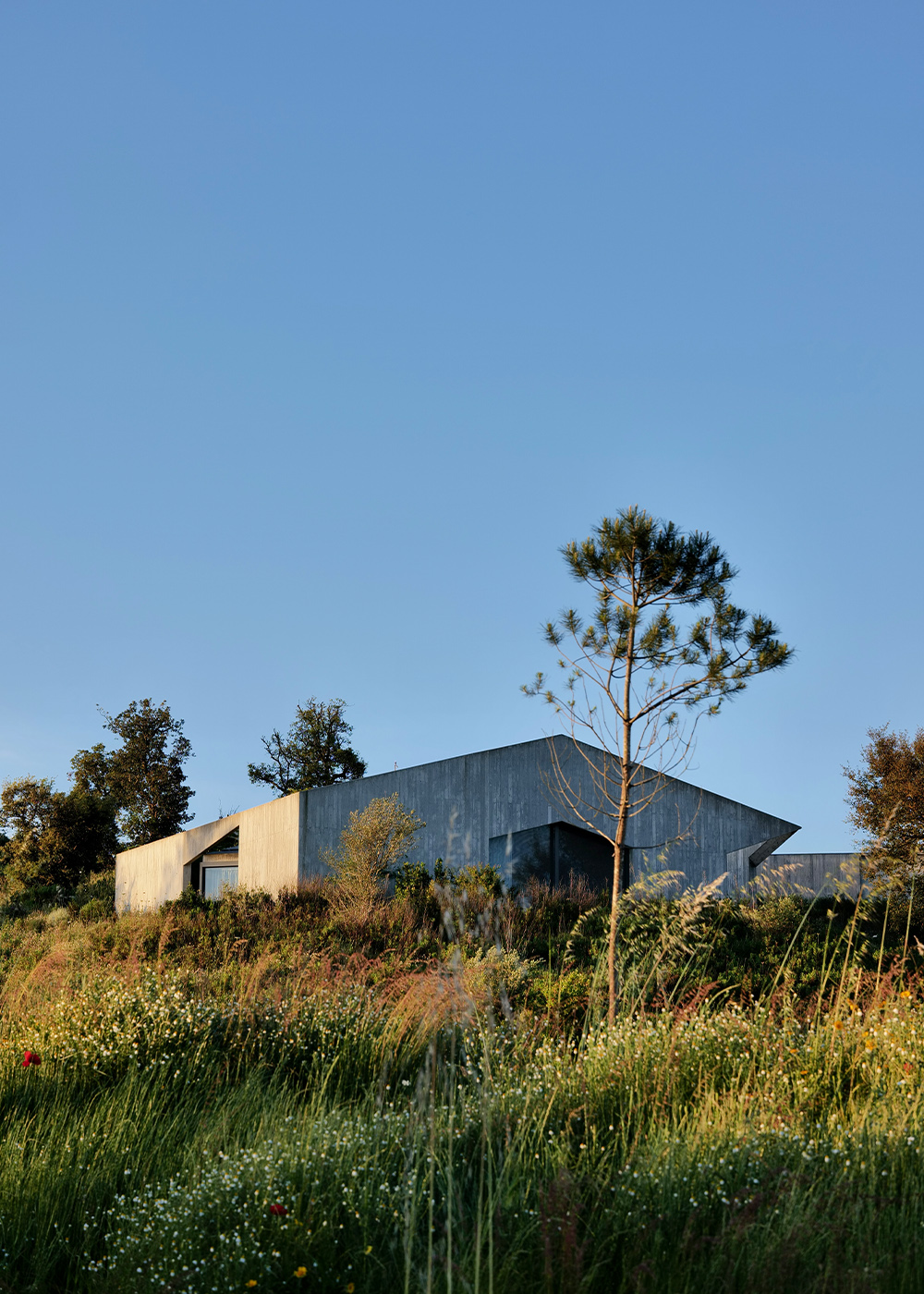
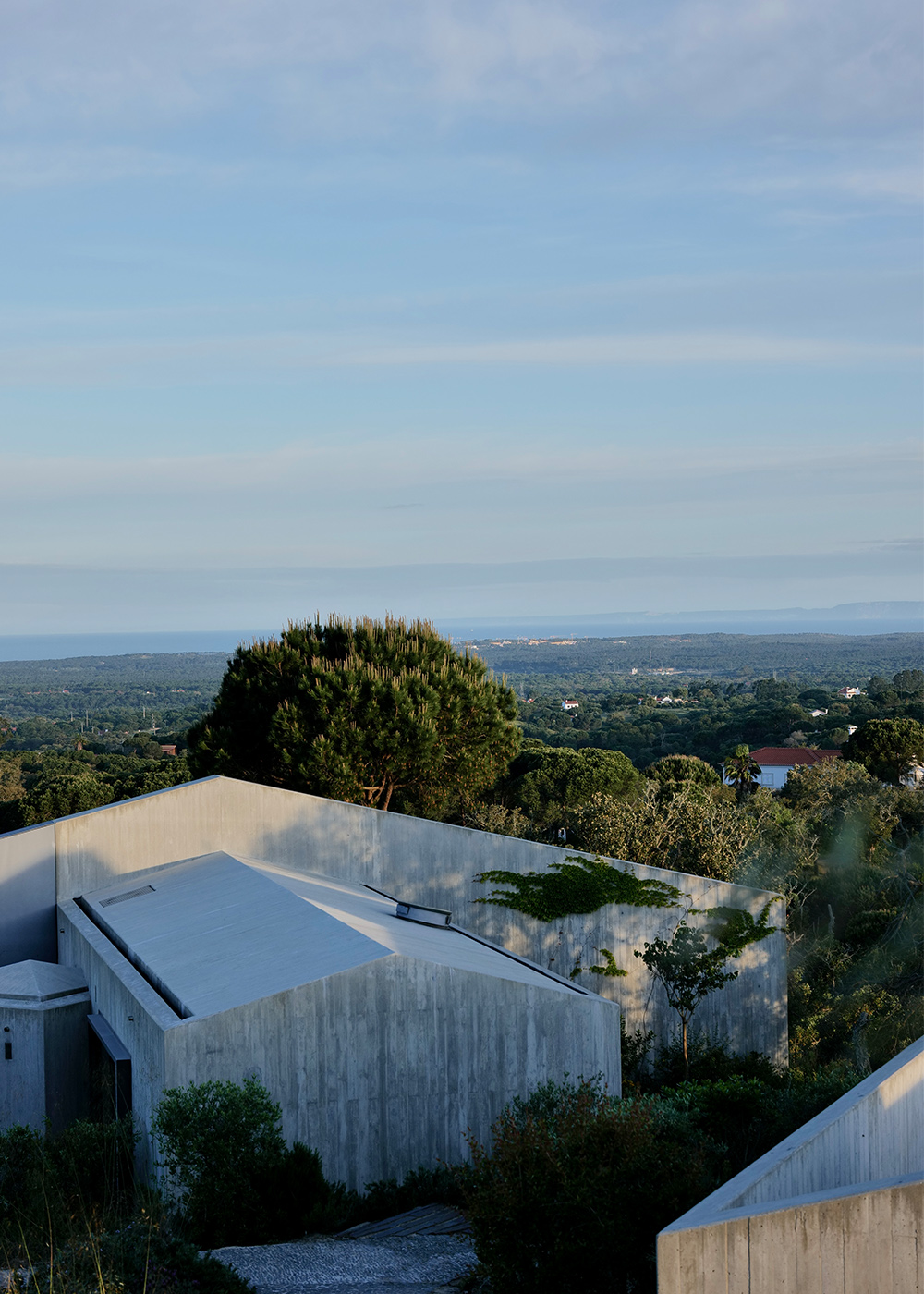
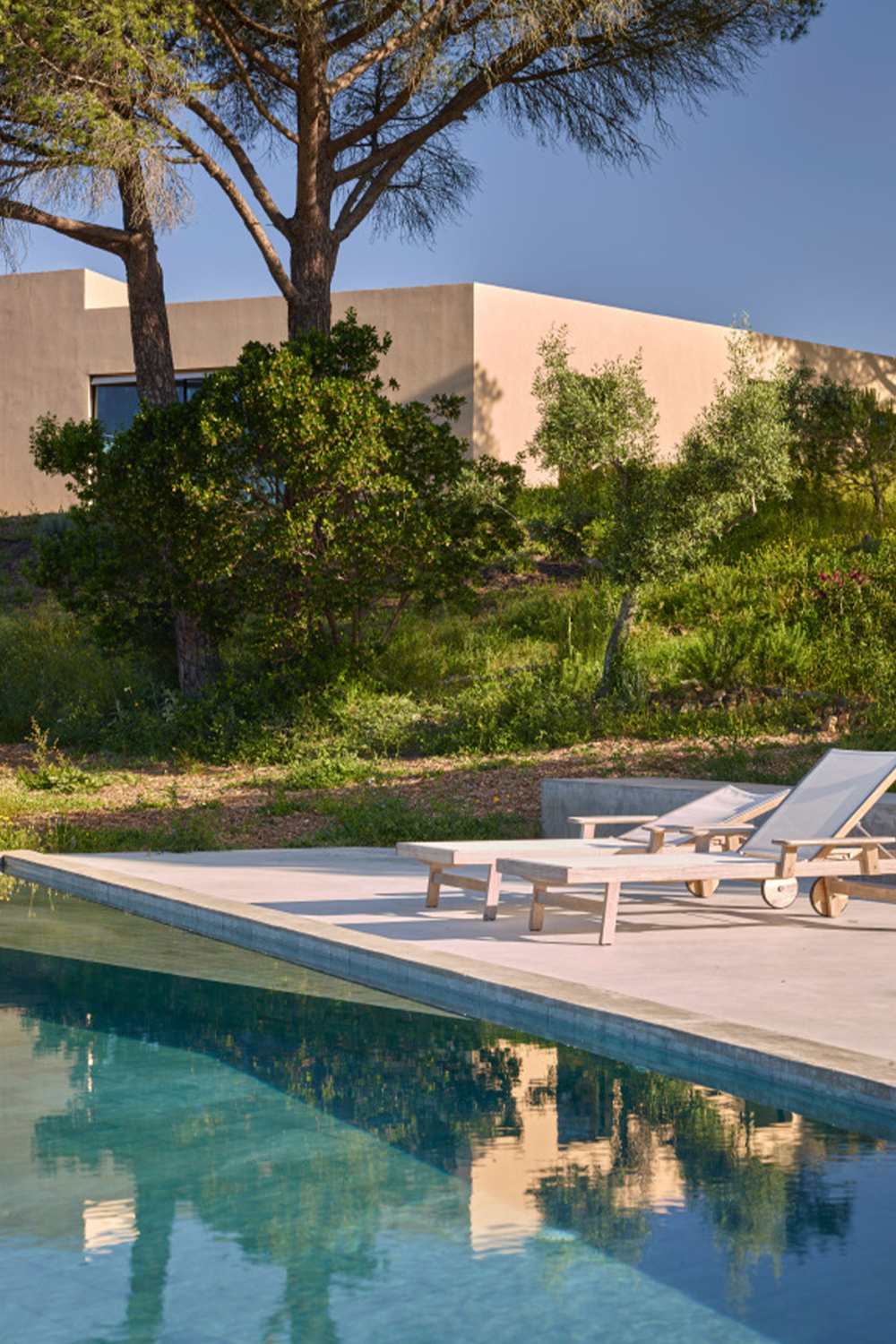
The Muda L11 villa located in Grândola, Portugal, has a floor area of approximately 1500 square meters. It is a low-density living space that responds to the environment and living needs through clear volume and geometric organization, integrating modern architectural language into the Portuguese rural context. The project demonstrates the designer's keen grasp of the site context, materials, and proportions, and is one of Luís Pereira Miguel's representative residential works.
The Melides SJ villa, designed by Luís Pereira Miguel, is located in Melides, Portugal. It is situated on a plot of approximately 2.56 hectares and has a floor area of about 310 square meters. As a refined single-family residence, it responds to the local natural environment and site characteristics. The design integrates into the surrounding rural context and explores the harmonious relationship between modern life and the natural environment through spatial layout and material details.

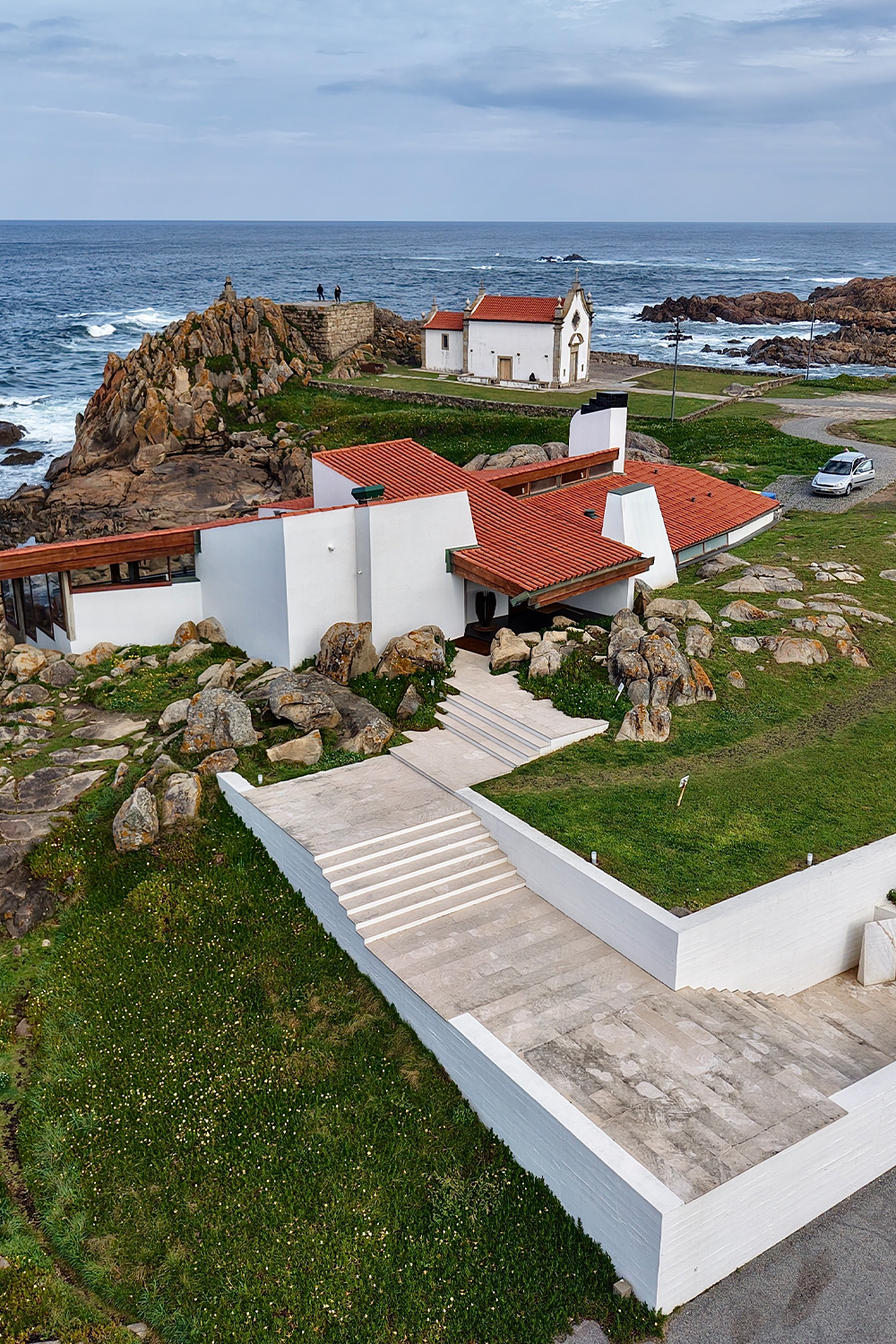
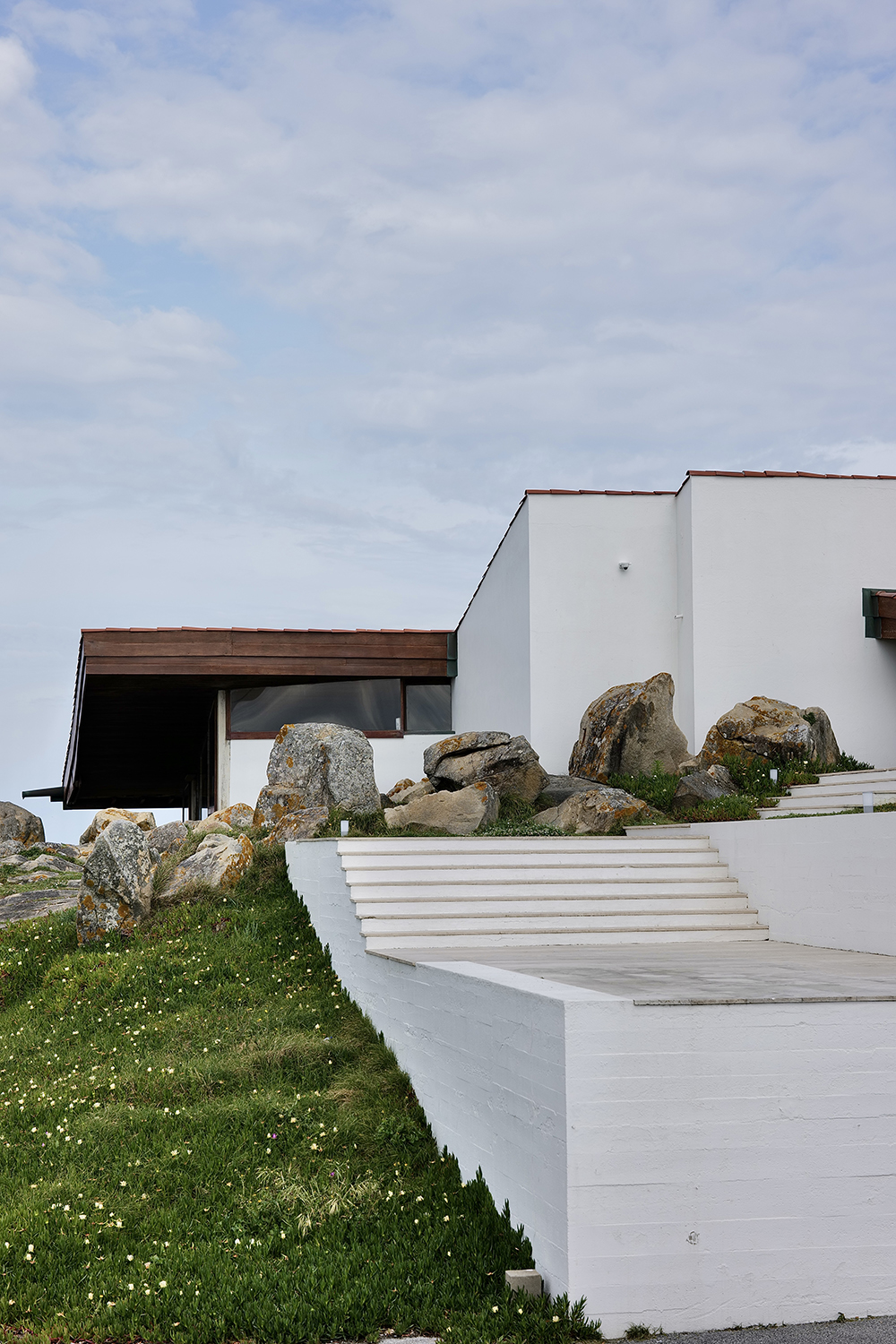
Casa de Chá Boa Nova is one of Alvaro Siza's early masterpieces. It is located on a cliff at the Matosinhos coast, blending seamlessly with the natural landscape of the Atlantic Ocean. The building is in the shape of a butterfly, with a roof covered in red terracotta tiles that harmoniously interact with the surrounding natural environment. The design ingeniously adapts to the terrain, and the main two interior spaces open towards the bay. The selected materials, including white walls, exposed concrete columns, African rosewood finishes, and copper elements, are combined to create a warm and modern interior atmosphere.
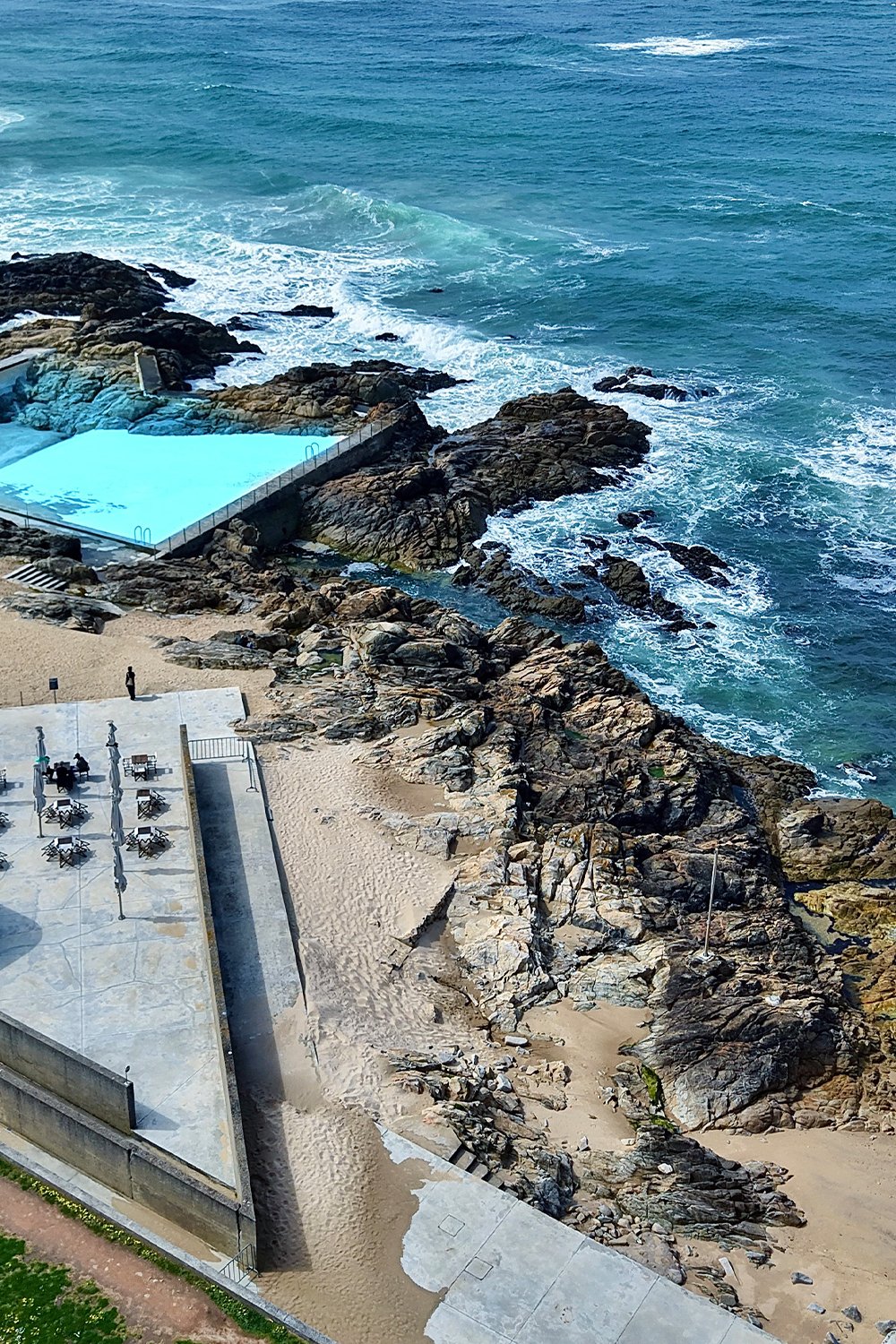
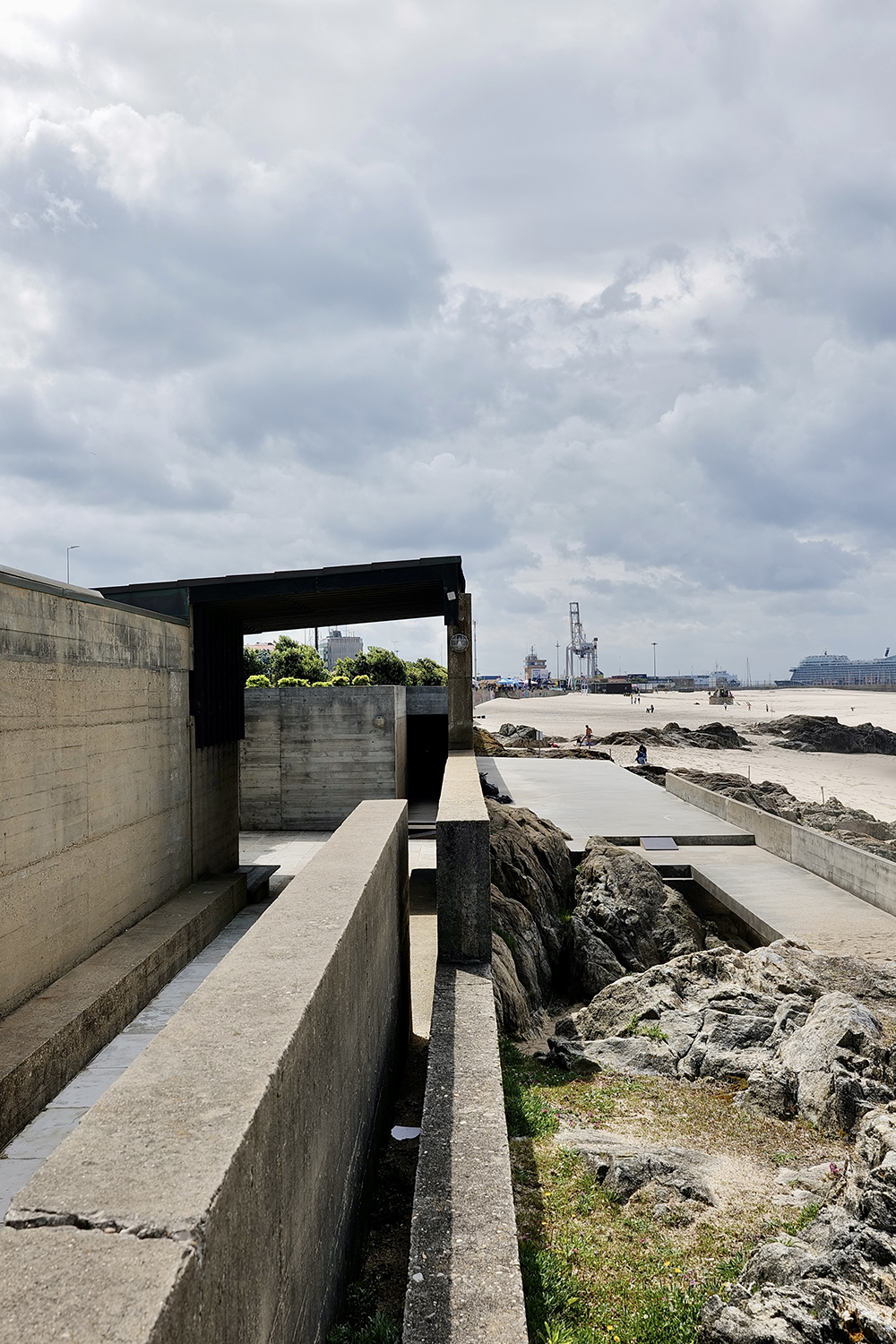
The Piscinas de Marés seaside swimming pools, designed by Alvaro Siza, make full use of the natural rock terrain and ingeniously embed the pools within it, blending seamlessly with the natural landscape of the Atlantic coastline. The building complex is arranged parallel to the coastal road and below the road level, preserving an open view from the road to the horizon. The access path to the pools features a gentle slope, gradually blocking external views and creating a sensory experience that transitions from sight to sound and back to sight.
Alvaro Siza renovated this 11th-century monastery, integrating history with modern architectural language and redefining its cultural and spiritual value. The Monastery of Leça do Balio, as an important stop on the Santiago Pilgrimage Route, the renovation not only restored its historical heritage but also added an open modern "sculpture" to the region, symbolizing the spiritual journey of the pilgrims.
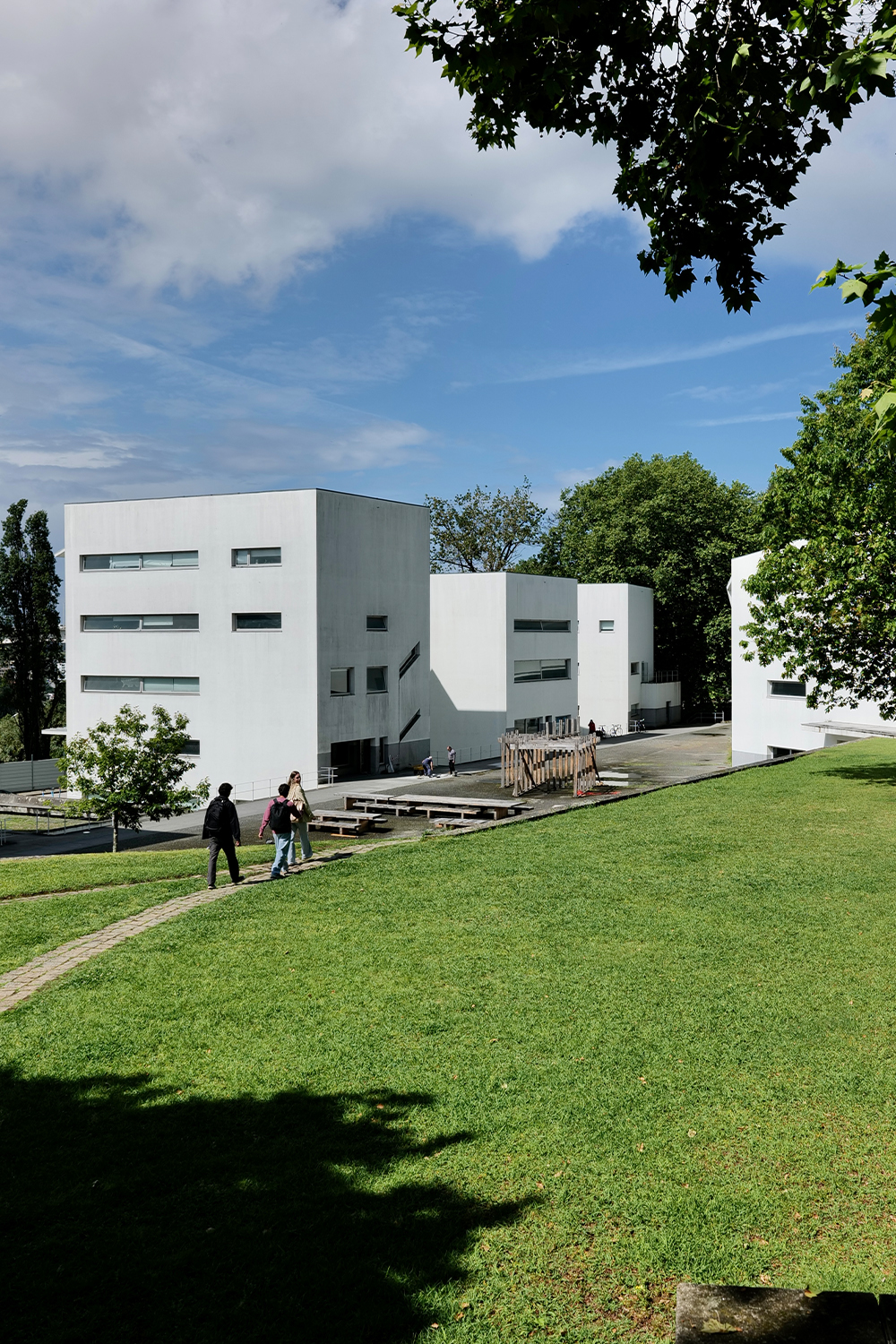
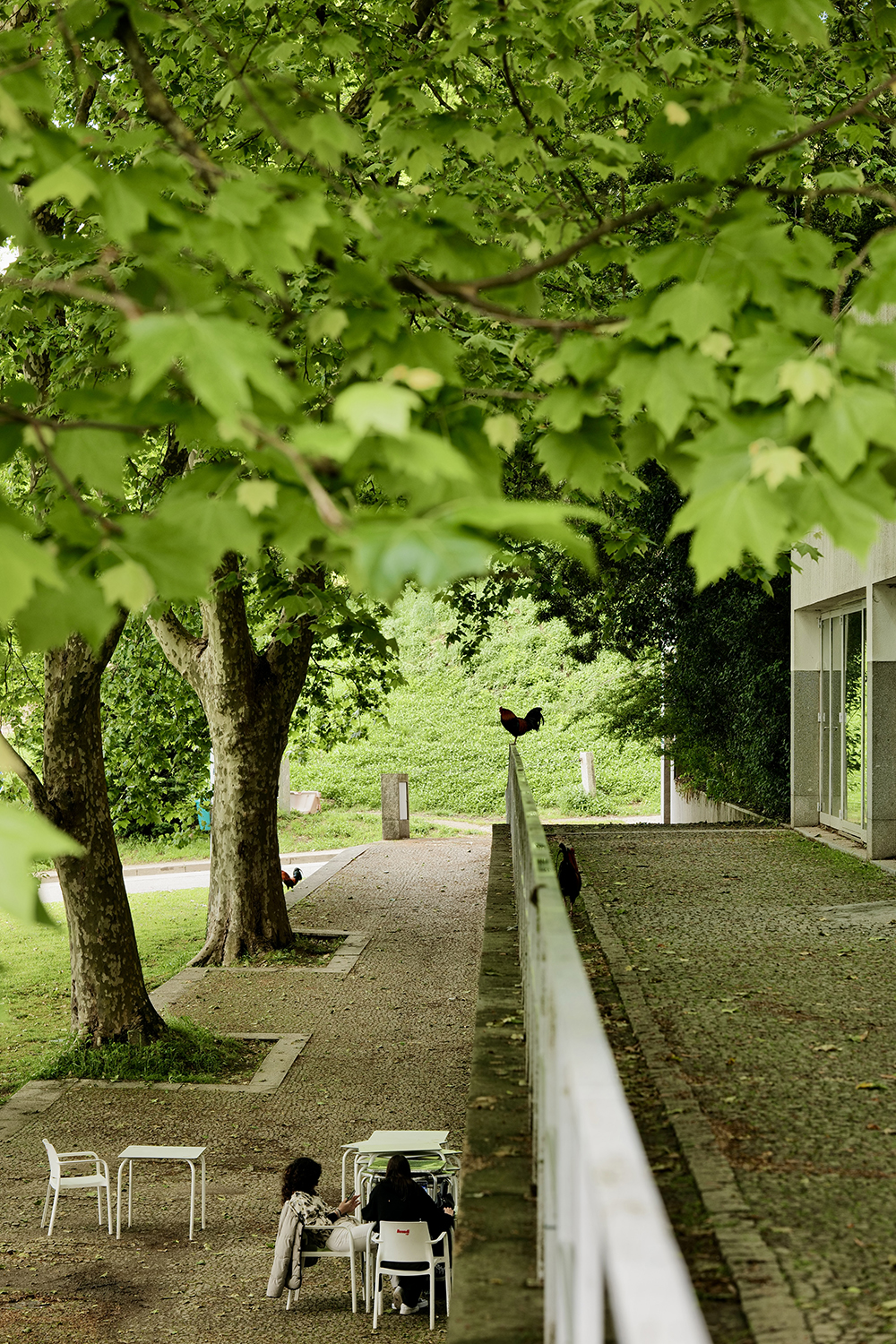
The Porto School of Architecture was constructed between 1985 and 1996. This building consists of 10 distinct volumes, each with its own unique character, but they share a common identity through color, opacity, and constructive solutions. Four towers are arranged along the river, while on the other side of the terrain, two buildings connected in a semi-circular shape occupy the central position. In the center of the site, an irregular, almost triangular large courtyard is placed, reminiscent of the shape of the first pavilion built by Álvaro Siza on the campus.
São Lourenço do Barrocal is a hotel that was transformed from a farm. Eduardo Souto de Moura preserved the heritage of the farm while renovating the main house and several ancillary buildings to adapt to new future uses. The original architectural structure of the hotel was modernized, using stone as the main material to continue the unique local architectural style; the simple yet modern design language creates a warm and historically significant atmosphere.
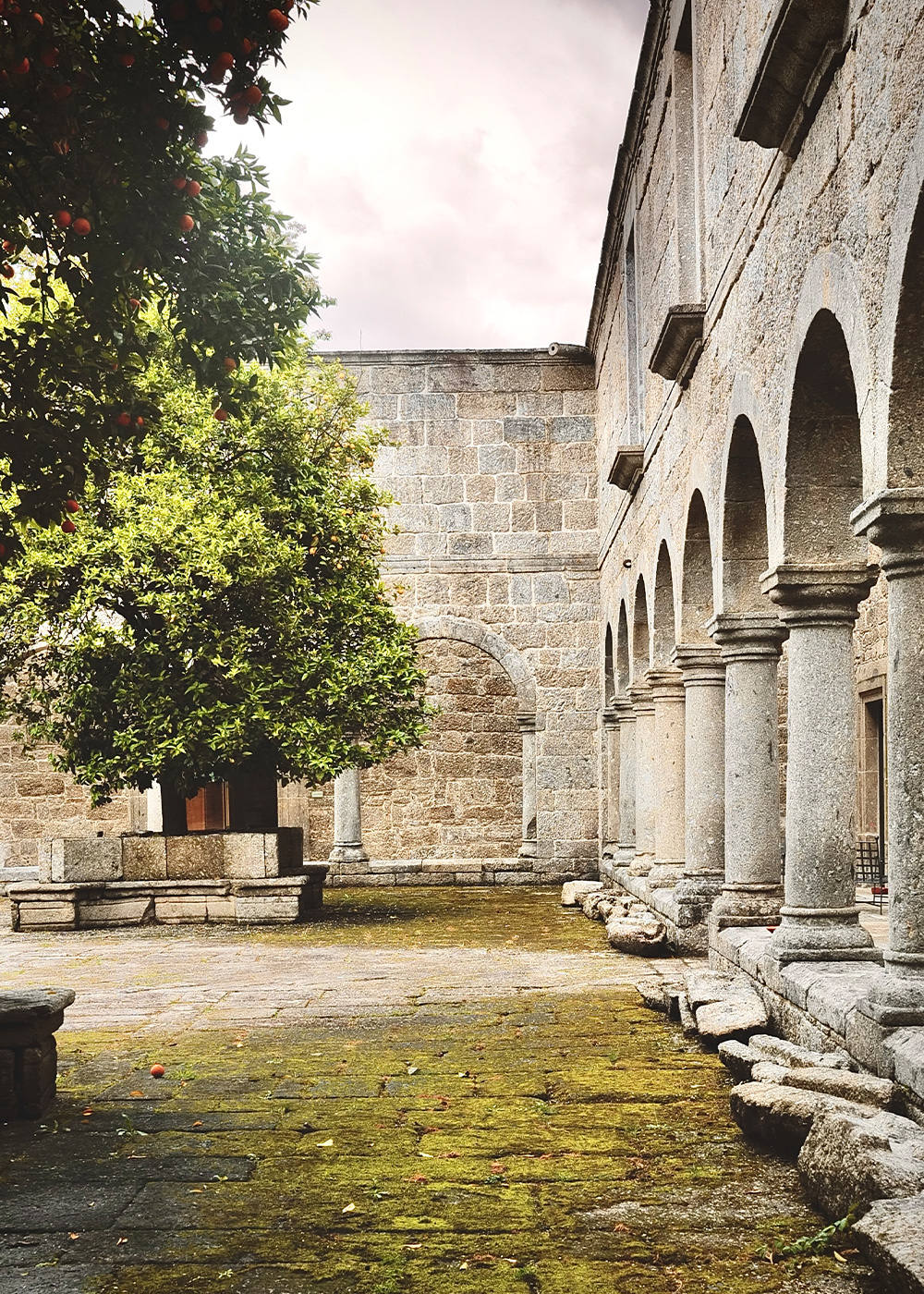
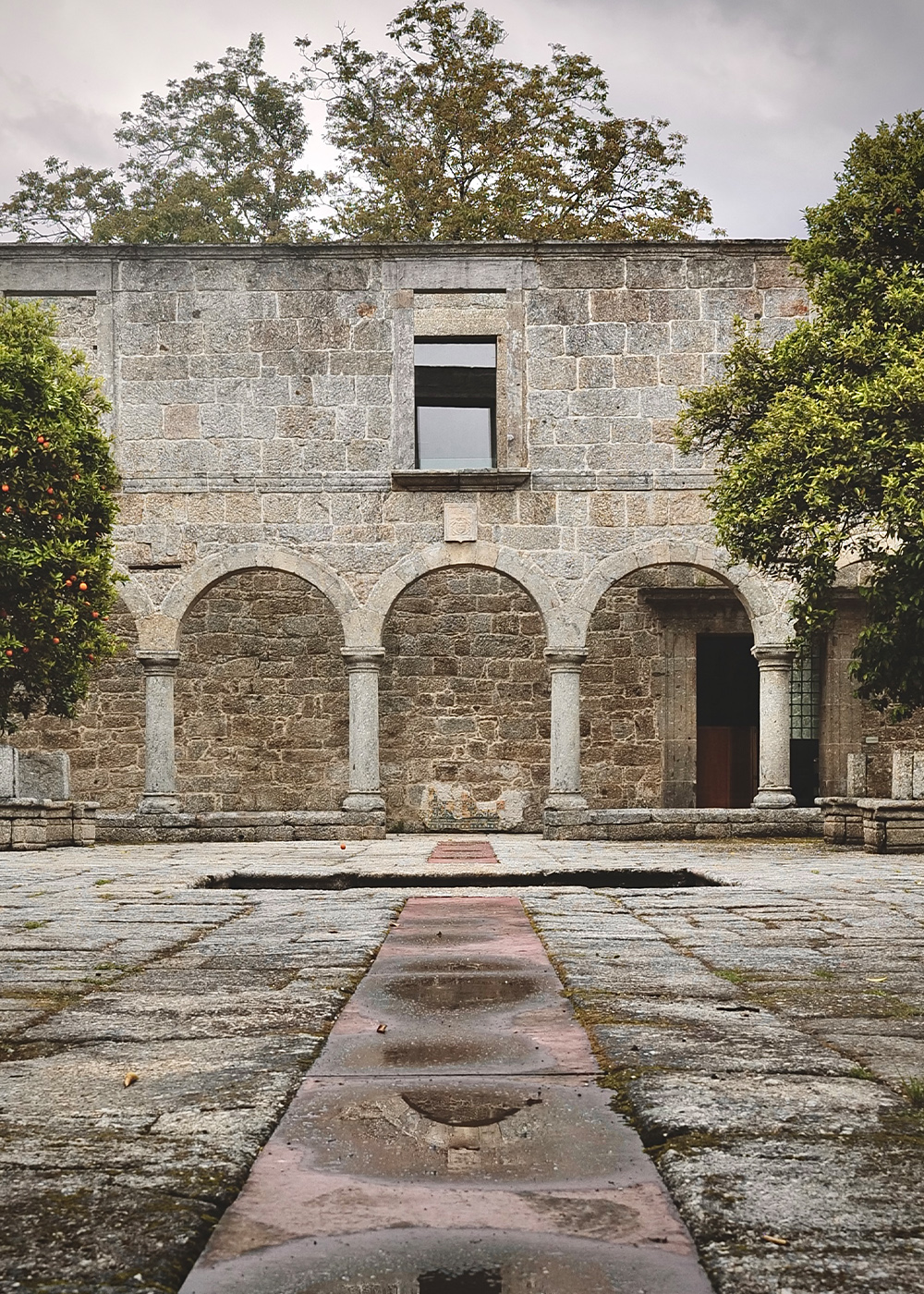
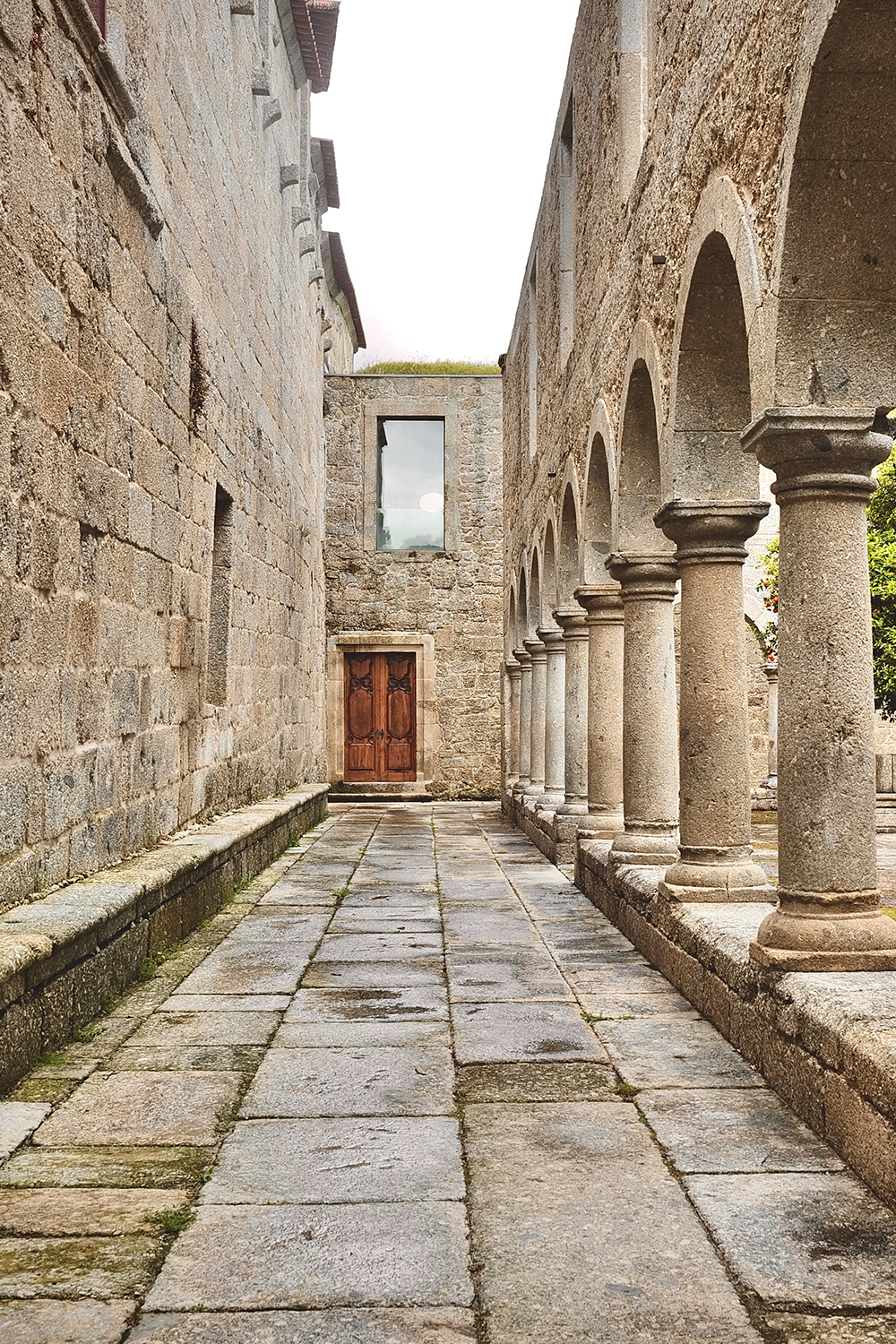
The Santa Maria do Bouro Hotel is a reconstruction project of a 12th-century Cistercian monastery in the northern part of Portugal, led by Pritzker Architecture Prize winner Eduardo Souto de Moura. It was completed from 1989 to 1997. The project does not simply replicate history. Instead, it retains the original stone walls, colonnades and spatial memories, and reorganizes the structure with contemporary architectural vocabulary, allowing the ancient relics to coexist harmoniously with new functions (a boutique hotel). The design emphasizes the authenticity of the materials and the clear relationship between form and function, allowing the original stones and modern materials to jointly create a serene and thought-provoking spatial atmosphere.

Hotel Notes:
The listed hotels in the itinerary are based on double occupancy, with room assignments arranged randomly according to the order of registration. If a participant experiences poor sleep quality, it is recommended to upgrade to a single room. The price difference for the upgraded room is to be borne by the participant.
Visa Notes:
The passport must have at least 6 months of validity remaining after the trip concludes and should have 2 blank visa pages (excluding observation pages). YINJISPACE only collects passports on behalf of participants. The approval of the visa application is at the discretion of the consulate. Any losses (including, but not limited to, self-booked flights or hotel reservations) incurred due to visa rejection are the responsibility of the visa applicant. Once the visa application is submitted, the visa fees are non-refundable, with a processing time of 6-8 weeks.
Insurance Notes:The insurance provided for this trip is only applicable to participants holding passports issued by mainland China. Participants holding non-mainland China passports are required to purchase their own insurance (self-provided insurance). Any risks and losses incurred due to opting out of insurance coverage will be the responsibility of the participant.
Interested individuals can inquire by calling 008618516033254 or adding the official WhatsApp at 08618516033254. Additionally, you may send your requirements to the email address: mia@yinjispace.com.